


“Unlock Your Financial Future: The Ultimate Guide to Opening a Bank Account in Dubai.”
Introduction
Opening a bank account in Dubai can be a straightforward process, but it requires an understanding of the local banking landscape and regulatory requirements. This comprehensive guide aims to provide essential information for expatriates and residents alike, detailing the types of accounts available, necessary documentation, and the steps involved in the application process. Whether you are looking to manage your finances, save for the future, or conduct business transactions, this guide will equip you with the knowledge needed to navigate the banking system in Dubai effectively. From choosing the right bank to understanding fees and services, this resource will help you make informed decisions and ensure a smooth banking experience in one of the world’s most dynamic financial hubs.
Types of Bank Accounts Available in Dubai
When considering the financial landscape of Dubai, it is essential to understand the various types of bank accounts available to both residents and expatriates. The banking sector in Dubai is robust and diverse, catering to a wide range of financial needs and preferences. This diversity is reflected in the types of accounts offered, which can be broadly categorized into several key types: savings accounts, current accounts, fixed deposit accounts, and specialized accounts.
Savings accounts are among the most common types of bank accounts in Dubai. These accounts are designed for individuals who wish to save money while earning interest on their deposits. Typically, savings accounts offer a competitive interest rate, which can vary from one bank to another. Moreover, these accounts often come with features such as online banking, ATM access, and the ability to transfer funds easily. It is important to note that while savings accounts provide liquidity, they may have restrictions on the number of withdrawals allowed per month, which is a crucial consideration for account holders.
In contrast, current accounts are tailored for individuals and businesses that require frequent transactions. These accounts do not usually offer interest on deposits, but they provide a host of features that facilitate daily banking activities. Current accounts are ideal for those who need to manage cash flow, as they allow for unlimited deposits and withdrawals. Additionally, many banks offer overdraft facilities on current accounts, which can be beneficial for managing short-term liquidity needs. This type of account is particularly popular among expatriates and entrepreneurs who engage in regular business transactions.
Fixed deposit accounts represent another option for those looking to maximize their returns on savings. These accounts require the account holder to deposit a lump sum for a predetermined period, during which the funds cannot be accessed without incurring penalties. In exchange for this commitment, banks typically offer higher interest rates compared to savings accounts. Fixed deposit accounts are suitable for individuals who have a specific savings goal and can afford to lock away their funds for a set duration. The terms of these deposits can vary significantly, ranging from a few months to several years, allowing account holders to choose a timeframe that aligns with their financial objectives.
Moreover, specialized accounts cater to specific demographics or financial needs. For instance, many banks in Dubai offer accounts designed for expatriates, which may include features such as multi-currency options and tailored services to facilitate international transactions. Additionally, there are accounts specifically for students, which often come with lower fees and special benefits aimed at young account holders. Islamic banks in Dubai also provide Sharia-compliant accounts, which adhere to Islamic finance principles, offering an alternative for those seeking ethical banking solutions.
As one navigates the process of selecting a bank account in Dubai, it is crucial to consider factors such as fees, minimum balance requirements, and the range of services offered. Each bank has its own set of terms and conditions, which can significantly impact the overall banking experience. Therefore, conducting thorough research and comparing different banks and their offerings is essential for making an informed decision. Ultimately, understanding the types of bank accounts available in Dubai empowers individuals and businesses to choose the right financial products that align with their needs and goals, ensuring a seamless banking experience in this dynamic city.
Required Documents for Opening a Bank Account in Dubai
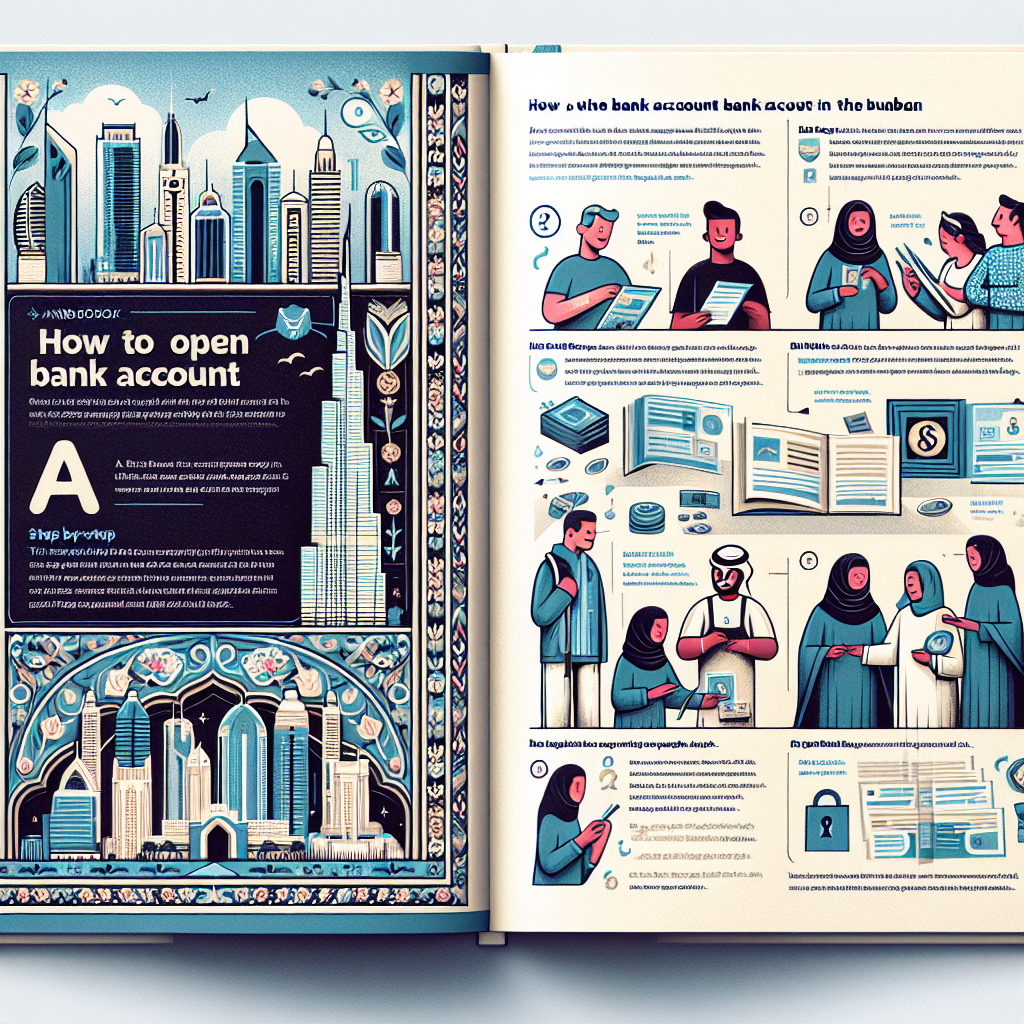
Opening a bank account in Dubai is a straightforward process, but it requires careful preparation and an understanding of the necessary documentation. To ensure a smooth experience, it is essential to gather all required documents before initiating the application process. The specific requirements may vary slightly depending on the bank and the type of account you wish to open, but there are several common documents that are universally required.
First and foremost, a valid passport is essential. This document serves as proof of identity and nationality. It is important to ensure that your passport is not expired and has at least six months of validity remaining. In addition to the passport, a residency visa is typically required for expatriates. This visa confirms your legal status in the UAE and is a critical component of the documentation process. If you are a UAE national, a national ID card may suffice in place of a residency visa.
Furthermore, banks often require proof of address. This can be demonstrated through various documents, such as a utility bill, rental agreement, or a bank statement from another financial institution. The document should clearly display your name and current address to validate your residency in Dubai. It is advisable to ensure that the address on the proof of residence matches the one provided in your application to avoid any discrepancies.
In addition to these primary documents, banks may also request a recent passport-sized photograph. This photograph is typically used for identification purposes and should meet the specific requirements set by the bank, such as background color and size. Therefore, it is prudent to check the bank’s guidelines regarding photo specifications before submitting your application.
Moreover, many banks in Dubai require applicants to provide evidence of income or employment. This can be accomplished through a salary certificate from your employer, which outlines your position and monthly salary. Alternatively, if you are self-employed, you may need to present business registration documents or tax returns to demonstrate your financial stability. This requirement is particularly important for those looking to open a current account or a savings account with higher limits.
Additionally, some banks may ask for a minimum deposit amount to open an account. This amount can vary significantly depending on the type of account and the bank’s policies. Therefore, it is advisable to inquire about the minimum deposit requirements beforehand to ensure you are prepared.
Lastly, it is worth noting that some banks may have specific requirements for certain types of accounts, such as Islamic accounts or accounts designed for expatriates. Therefore, it is beneficial to research the various banks and their offerings to determine which institution aligns best with your financial needs and lifestyle.
In conclusion, opening a bank account in Dubai necessitates a clear understanding of the required documentation. By preparing the necessary documents, including a valid passport, residency visa, proof of address, recent photographs, and evidence of income, you can streamline the application process. Additionally, being aware of any specific requirements related to the type of account you wish to open will further facilitate a successful banking experience in this vibrant city. With the right preparation, you can navigate the process efficiently and enjoy the benefits of banking in Dubai.
Step-by-Step Process to Open a Bank Account in Dubai
Opening a bank account in Dubai is a straightforward process, yet it requires careful attention to detail and adherence to specific regulations. To begin, it is essential to identify the type of account that best suits your needs. Dubai offers various options, including savings accounts, current accounts, and specialized accounts for expatriates. Each type has its own features, benefits, and requirements, so understanding these distinctions is crucial before proceeding.
Once you have determined the appropriate account type, the next step involves selecting a bank. Dubai is home to numerous local and international banks, each offering a range of services and account features. It is advisable to conduct thorough research on the banks available, comparing factors such as fees, interest rates, online banking facilities, and customer service. After narrowing down your options, you can visit the bank’s website or a physical branch to gather more information about their account offerings.
Having chosen a bank, the subsequent step is to prepare the necessary documentation. Generally, banks in Dubai require specific documents to process your application. These typically include a valid passport, a residence visa, and proof of address, such as a utility bill or rental agreement. Additionally, some banks may request a letter of employment or a salary certificate, particularly for expatriates. It is prudent to check with the bank for a comprehensive list of required documents to ensure a smooth application process.
With your documents in hand, you can now proceed to the bank to initiate the account opening process. Upon arrival, you will be greeted by a bank representative who will guide you through the application form. It is essential to fill out the form accurately, as any discrepancies may lead to delays or complications. After submitting the application, the bank will review your documents and may conduct a background check to verify your identity and financial history.
Once your application is approved, you will be required to make an initial deposit, which varies depending on the bank and the type of account. This deposit is typically a nominal amount, but it is crucial to confirm the specific requirements with your chosen bank. After the deposit is made, you will receive your account details, including your account number and any associated banking cards.
Following the successful opening of your account, it is advisable to familiarize yourself with the bank’s online banking platform. Most banks in Dubai offer robust online services that allow you to manage your account, transfer funds, and pay bills conveniently. Setting up online banking not only enhances your banking experience but also provides you with greater control over your finances.
In addition to online banking, it is important to understand the fees associated with your account. Banks in Dubai may charge monthly maintenance fees, transaction fees, or withdrawal fees, depending on the account type. Being aware of these charges will help you manage your finances more effectively and avoid unexpected costs.
In conclusion, opening a bank account in Dubai involves a systematic approach that includes selecting the right account type, choosing a suitable bank, preparing the necessary documentation, and completing the application process. By following these steps diligently, you can ensure a seamless experience and establish a solid banking relationship in one of the world’s most dynamic financial hubs.
Q&A
1. **What documents are required to open a bank account in Dubai?**
To open a bank account in Dubai, you typically need a valid passport, a residence visa, proof of address (such as a utility bill), and a salary certificate or employment letter.
2. **Are there different types of bank accounts available in Dubai?**
Yes, banks in Dubai offer various types of accounts, including savings accounts, current accounts, fixed deposit accounts, and Islamic accounts, each with different features and benefits.
3. **Is there a minimum deposit requirement to open a bank account in Dubai?**
Yes, most banks in Dubai have a minimum deposit requirement that can range from AED 1,000 to AED 10,000, depending on the type of account and the bank’s policies.
Conclusion
In conclusion, opening a bank account in Dubai involves understanding the various types of accounts available, gathering the necessary documentation, and complying with local regulations. It is essential to choose a bank that aligns with your financial needs and offers the services you require. By following the outlined steps and being aware of the specific requirements for expatriates and residents, individuals can successfully navigate the process and establish a secure banking relationship in Dubai.