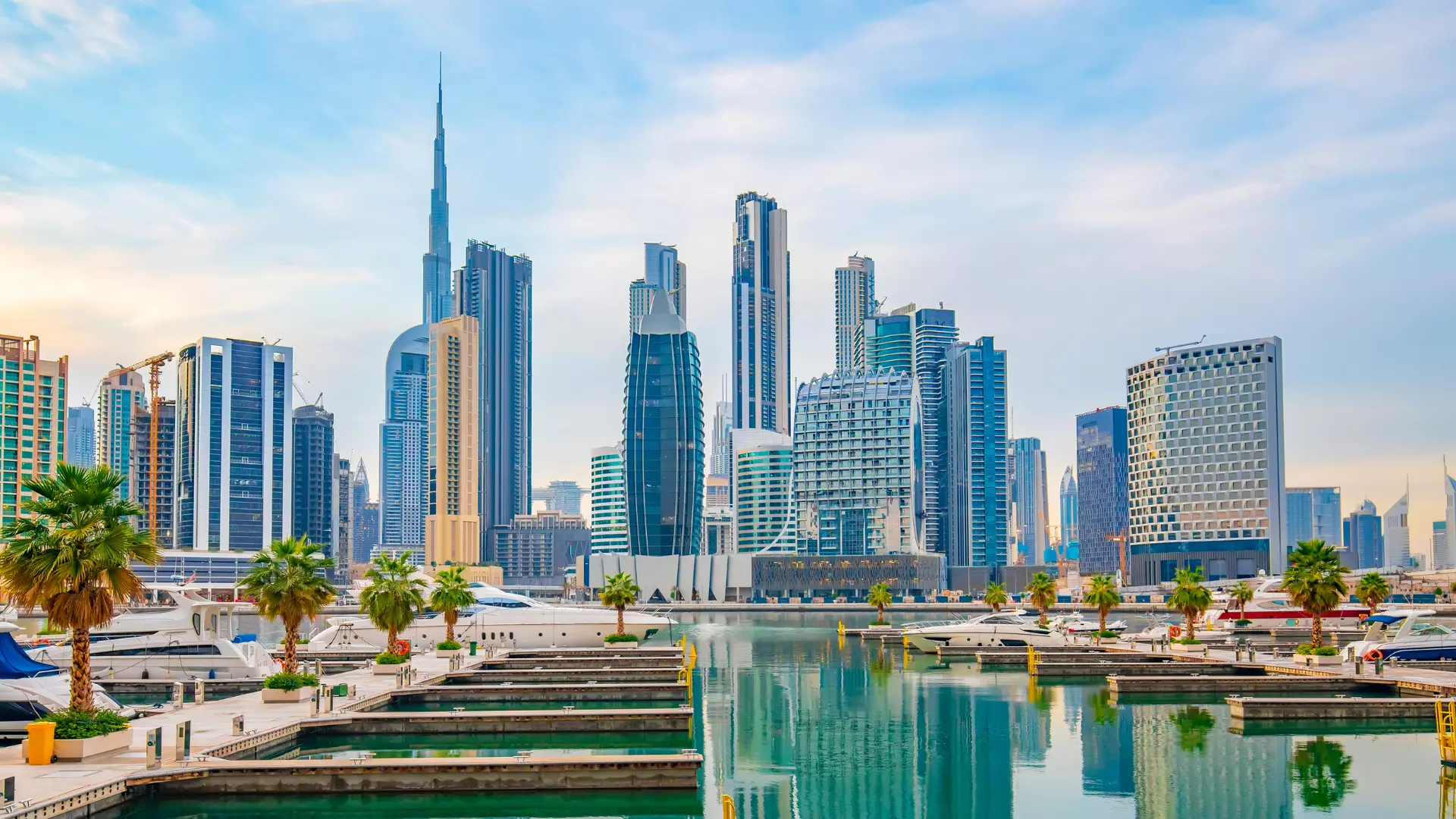

Analyzing Current Account Trends in Dubai’s Economic Landscape
Introduction:
Dubai, a rapidly growing city in the United Arab Emirates, has become a global hub for tourism, trade, and finance. Over the years, the emirate’s current account, which tracks trade balances and capital flows, has shown significant dynamics. Analyzing these trends provides insight into the economic health of Dubai and its positioning within the global economy. Understanding the driving factors behind the current account dynamics can help stakeholders and policymakers make informed decisions.
This article will assess the drivers of Dubai’s current account dynamics, examine trade balances and their implications, discuss foreign investment influences, and provide a future outlook for Dubai’s economy. With continuous developments in various sectors, it is essential to understand these elements to gauge the robustness of Dubai’s economic landscape.
Assessing the Drivers of Dubai’s Current Account Dynamics
Dubai’s current account dynamics are underpinned by several primary drivers, including its strategic geographical location, robust infrastructure, and diversified economic activities. The emirate serves as a gateway between the East and West, enabling it to facilitate high levels of international trade. The establishment of the Jebel Ali Port and the Dubai International Airport has further solidified this status, enabling the flow of goods and services to and from global markets.
Moreover, the Dubai government has been proactive in promoting a business-friendly environment, evidenced by policies that encourage entrepreneurship and technological innovation. Initiatives such as the Dubai Expo 2020 and the push towards a knowledge-based economy attract foreign investments and bolster the emirate’s current account by increasing export revenues and improving the trade balance.
Examining Trade Balances and Their Economic Implications
The trade balance for Dubai has experienced fluctuations, primarily influenced by oil prices, global market conditions, and regional geopolitical factors. While oil remains a significant component of the UAE’s economic output, Dubai has increasingly diversified its economy. This diversification has led to a rise in non-oil exports, particularly in sectors like tourism, real estate, and financial services, thus impacting the overall trade balance positively.
As a result, a surplus in the trade balance can stimulate economic growth, leading to higher consumer spending and investment in infrastructure development. Conversely, a trade deficit may necessitate financing through foreign capital, which can create long-term concerns about sustainability. Therefore, understanding the interplay between trade balances and economic implications is essential for policymakers to navigate Dubai’s economic trajectory effectively.
Foreign Investment Influences on Dubai’s Current Account
Foreign investment plays a crucial role in shaping Dubai’s current account landscape. The emirate has attracted a considerable amount of FDI (Foreign Direct Investment) due to its strategic initiatives, such as the creation of free zones and the easing of ownership restrictions for foreign investors. This influx of capital enhances local production capabilities, facilitating the growth of industries including real estate, tourism, and technology.
Moreover, foreign investment constitutes a significant channel through which Dubai can diversify its external income sources. This diversification effects positively on the current account, reducing reliance on oil revenues and minimalizing susceptibility to global oil price fluctuations. As investors continue to see opportunities in Dubai, the overall attractiveness of the emirate’s economic environment will likely drive further improvements in the current account balance.
Projected Trends: Future Outlook for Dubai’s Economy
Looking ahead, the future outlook for Dubai’s economy appears promising, particularly concerning its current account dynamics. The ongoing diversification initiatives are forecasted to bolster non-oil sectors, leading to sustainable economic growth. The government’s commitment to innovation, sustainability, and digital transformation is expected to continue drawing in foreign investment, enhancing trade balances over the long run.
Additionally, developments in logistics and transport infrastructure, alongside the anticipated recovery in global tourism post-pandemic, could contribute to a more favorable current account position. However, challenges such as fluctuating global demand and geopolitical tensions may pose risks that need careful monitoring. As such, the strategic response from policymakers will be critical in maintaining economic stability and growth.
Conclusion:
Dubai’s current account trends reflect a complex interplay of various factors shaping the emirate’s economic landscape. The drivers behind these dynamics, including trade balances, foreign investment influences, and diversification efforts, paint a picture of a resilient economy adapting to global changes. The future outlook remains optimistic, provided that the emirate continues to innovate and respond adequately to economic challenges.
FAQs
1. What is a current account, and why is it important for Dubai?
The current account is a component of a country’s balance of payments, measuring the flow of goods, services, income, and current transfers in and out of the economy. For Dubai, the current account is crucial as it highlights trade balances, influences currency valuation, and provides insights into economic stability and sustainability. A healthy current account can attract investment and foster long-term economic growth.
2. How does Dubai’s strategic location impact its current account?
Dubai’s geographical position as a gateway between the East and the West enhances its attractiveness for trade and transshipment activities. Its proximity to emerging markets and developed economies enables efficient logistics and transportation, driving up trade volumes. This boost in trade positively influences the current account by increasing export revenues and minimizing trade deficits.
3. What role does foreign investment play in Dubai’s current account dynamics?
Foreign investment significantly contributes to Dubai’s current account by enhancing domestic production capabilities and supporting various sectors, including tourism, real estate, and technology. It helps diversify income streams away from oil dependence, creating a more favorable current account balance. A steady influx of FDI also signals investor confidence in Dubai’s economic stability.
4. What are the implications of trade surpluses and deficits for Dubai’s economy?
A trade surplus indicates that a country exports more than it imports, leading to increased economic growth, job creation, and higher consumer spending. Conversely, a trade deficit may necessitate borrowing or attracting foreign capital to finance the imbalance, which can lead to economic vulnerabilities. For Dubai, maintaining a healthy trade balance is essential for ensuring long-term fiscal stability.
5. How can Dubai maintain its positive current account trends moving forward?
To maintain positive current account trends, Dubai can focus on diversifying its economy, investing in innovation and technology, and enhancing its appeal to international investors. Continued attention to infrastructure development, effective trade policies, and fostering a favorable investment environment will also be critical in navigating potential challenges and achieving sustainable economic growth.