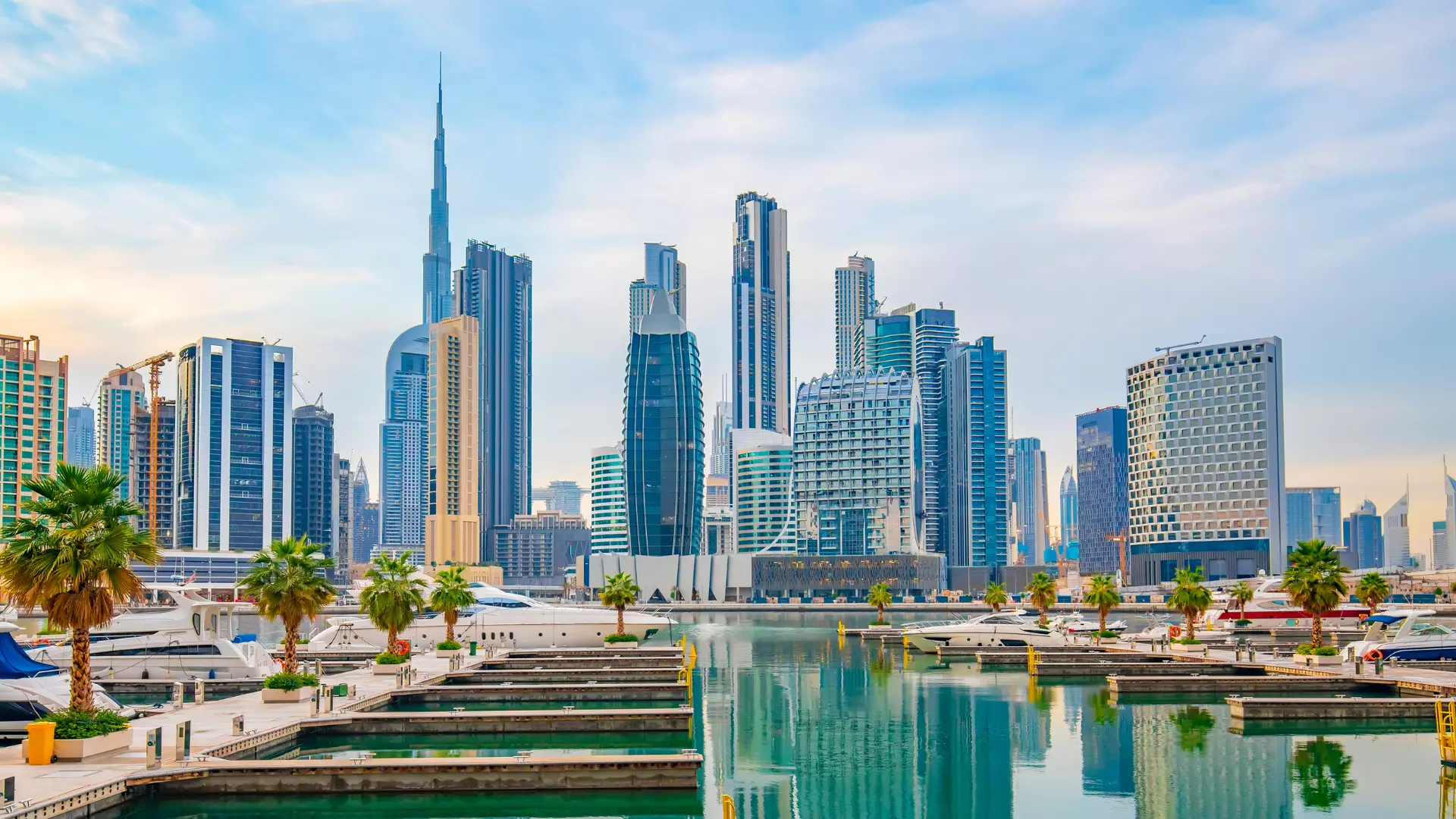

Analyzing the Top Business Opportunities in Dubai’s Market
Introduction:
Dubai, a global business hub, offers immense opportunities for both local and international entrepreneurs. Its strategic location, favorable tax conditions, and robust infrastructure have positioned it as a major player in the global market. Over the last few decades, the emirate has transformed from a traditional trading center into a dynamic and diverse economic landscape that attracts investments and talent from around the world. Understanding this landscape is crucial for anyone looking to capitalize on the opportunities it presents.
As Dubai continues to evolve, it remains crucial to conduct a thorough analysis of its economic conditions and emerging business sectors. Entrepreneurs are increasingly drawn to Dubai for its innovative environment and forward-thinking policies. This article aims to explore the key sectors shaping the business landscape in Dubai, the investment trends to watch for, and the regulatory considerations that entrepreneurs should bear in mind when entering this dynamic market.
Strategic Overview of Dubai’s Economic Landscape and Growth
Dubai’s economy is characterized by a multi-faceted structure, with significant contributions from tourism, trade, real estate, and financial services. Following the global economic downturn in 2008, the emirate adopted a strategic approach to economic diversification, reducing its dependency on oil revenues. This concerted effort has paid off, with sectors such as tourism and technology witnessing remarkable growth, further solidifying Dubai’s status as a leading business destination in the Middle East.
Moreover, Dubai’s ambitious initiatives, such as the Dubai Vision 2021 and Expo 2020, underline its commitment to sustainable growth and innovation. These initiatives aim to enhance the quality of life for residents and visitors while attracting global tourists and investors. The strong government support for infrastructure projects and e-governance systems has also made doing business in Dubai easier and more efficient, attracting a diverse array of entrepreneurs and multinational corporations.
Key Sectors Transforming Business Potential in Dubai
Several key sectors are driving Dubai’s economic transformation, making them ripe for investment and entrepreneurial activity. The technology sector, alongside the burgeoning fintech industry, has emerged as a significant opportunity for entrepreneurs. With initiatives like Dubai Internet City and the Dubai Blockchain Strategy, the emirate has established itself as a leader in tech-driven solutions, creating openings for startups and established firms alike.
Additionally, tourism continues to be a cornerstone of Dubai’s economy, contributing immensely to the retail, hospitality, and entertainment sectors. The continued expansion of luxury hotels, shopping destinations, and leisure activities caters to a steady influx of tourists from around the globe. Moreover, the increasing popularity of eco-tourism and authentic cultural experiences presents unique opportunities for businesses focused on sustainability and cultural enrichment, thereby diversifying the tourism umbrella further.
Investment Trends: Identifying Lucrative Opportunities
Identifying lucrative investment opportunities in Dubai necessitates an understanding of current trends. One notable trend is the rise of sustainable and green technologies. With the UAE’s commitment to sustainability evidenced in its Energy Strategy 2050, investments in renewable energy and sustainable practices are garnering attention. Entrepreneurs who specialize in solar technology, waste management, and energy efficiency solutions are particularly well-positioned to capitalize on this growing trend.
Real estate also remains a pivotal area for investment, especially with the upcoming projects aimed at enhancing Dubai’s infrastructure and connectivity. The residential rental market is gaining traction, fueled by the influx of expatriates and tourists. Furthermore, the Dubai Property Festival and various investor-friendly regulations encourage foreign investments, making it easier for new businesses and real estate ventures to flourish in this vibrant market.
Regulatory Considerations for Entrepreneurs in Dubai
Navigating the regulatory landscape is vital for any entrepreneur looking to establish a business in Dubai. The government has made significant strides in improving the ease of doing business, exemplified through the UAE’s ranking in the World Bank’s Ease of Doing Business Index. Key reforms include streamlining procedures, reducing the number of required permits, and implementing a one-stop-shop approach in many emirate-specific free zones.
However, entrepreneurs must also be prepared to adhere to specific legal and regulatory requirements unique to the UAE. Understanding the distinctions between free zones and mainland licenses is critical, as each has different implications for ownership structures and trade capabilities. Moreover, compliance with local labor laws, commercial regulations, and intellectual property rights ensures smooth operational processes and protects business interests.
Conclusion:
In conclusion, Dubai represents a treasure trove of business opportunities fueled by its strategic economic positioning, diverse sector growth, and favorable regulatory environment. Entrepreneurs can thrive in this ever-evolving marketplace by understanding the landscape, identifying key sectors, and aligning business models with emerging trends. With the right approach and insights, investors can not only succeed in Dubai but become integral contributors to its dynamic economy.
FAQs
1. What are the major industries driving Dubai’s economy?
Dubai’s economy is driven by various sectors, with tourism, trade, real estate, hospitality, finance, and technology being among the most significant. Each of these sectors contributes to economic diversification and offers numerous opportunities for business ventures.
2. How can I start a business in Dubai as a foreign entrepreneur?
To start a business in Dubai, foreign entrepreneurs must choose between setting up a business in a free zone or on the mainland. Each option has its regulations and benefits. Entrepreneurs typically need to prepare a business plan, secure initial approval from relevant authorities, and obtain necessary licenses and permits. Engaging local business consultants can facilitate this process.
3. What investment opportunities exist in the sustainability sector in Dubai?
Dubai is increasingly focusing on sustainability, providing opportunities in areas such as renewable energy (solar and wind), waste management, green architecture, and eco-friendly transport solutions. Businesses that align with the UAE’s Energy Strategy 2050 and support environmental initiatives stand to benefit from government grants and incentives.
4. Are there risks associated with investing in Dubai?
While Dubai presents substantial business opportunities, risks such as market volatility, high competition, economic dependency on oil prices, and regulatory changes exist. Entrepreneurs should conduct thorough market research and financial assessments to mitigate potential risks.
5. What is the role of free zones in Dubai’s business landscape?
Free zones in Dubai offer advantages like 100% foreign ownership, tax exemptions, and simplified customs procedures, making them an attractive option for foreign investors. Each free zone caters to specific sectors (e.g., technology, media, logistics) and has its unique set of regulations, which can facilitate smooth business operations.