-
Table of Contents
- Choosing the Right Business Structure in the UAE: Which One is Best for You?
- Overview of Business Structures in the UAE
- Sole Proprietorship
- Advantages
- Disadvantages
- Limited Liability Company (LLC)
- Advantages
- Disadvantages
- Free Zone Company
- Advantages
- Disadvantages
- Public Joint Stock Company (PJSC)
- Advantages
- Disadvantages
- Private Joint Stock Company (PrJSC)
- Advantages
- Disadvantages
- Branch Office
- Advantages
- Disadvantages
- Factors to Consider When Choosing a Business Structure
- Real-World Examples
- Conclusion
- Frequently Asked Questions (FAQ)
- 1. What is the most common business structure in the UAE?
- 2. Can a foreigner own 100% of a business in the UAE?
- 3. What are the tax implications of different business structures in the UAE?
- 4. How long does it take to set up a business in the UAE?
- 5. What are the ongoing compliance requirements for businesses in the UAE?
Choosing the Right Business Structure in the UAE: Which One is Best for You?
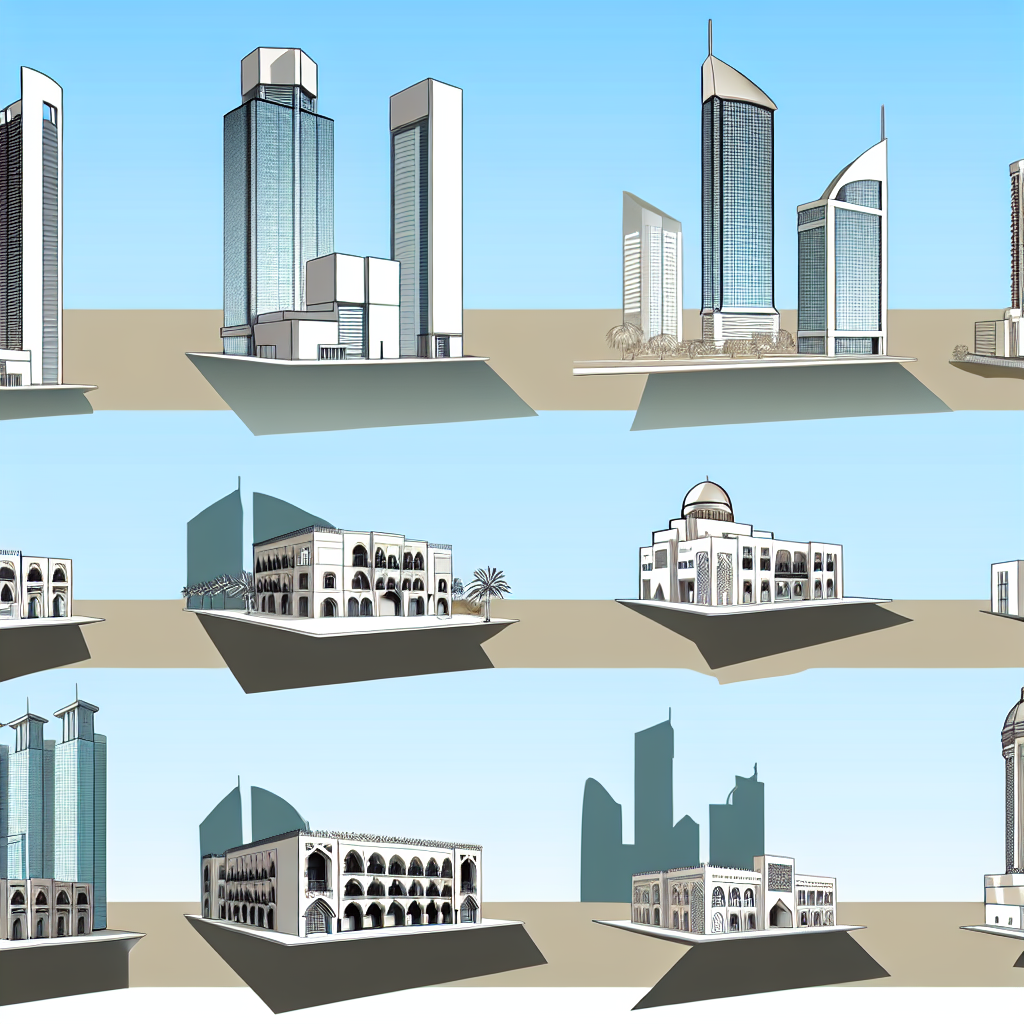
The United Arab Emirates (UAE) has emerged as a global business hub, attracting entrepreneurs and investors from around the world. However, one of the most critical decisions for anyone looking to establish a business in the UAE is choosing the right business structure. This decision can significantly impact your operational flexibility, tax obligations, and legal liabilities. In this article, we will explore the various business structures available in the UAE, their advantages and disadvantages, and provide guidance on selecting the best option for your specific needs.
Overview of Business Structures in the UAE
The UAE offers several business structures, each catering to different types of businesses and operational needs. The primary business structures include:
- Sole Proprietorship
- Limited Liability Company (LLC)
- Free Zone Company
- Public Joint Stock Company (PJSC)
- Private Joint Stock Company (PrJSC)
- Branch Office
Sole Proprietorship
A sole proprietorship is the simplest form of business structure, where an individual owns and operates the business. This structure is ideal for freelancers and small businesses.
Advantages
- Full control over business decisions.
- Minimal regulatory requirements.
- Direct taxation on personal income.
Disadvantages
- Unlimited personal liability.
- Limited access to capital.
Limited Liability Company (LLC)
The LLC is one of the most popular business structures in the UAE, especially for small to medium-sized enterprises. An LLC requires a minimum of two and a maximum of fifty shareholders.
Advantages
- Limited liability for shareholders.
- Flexibility in management and operations.
- Ability to conduct business in the UAE market.
Disadvantages
- Requires a local sponsor (UAE national) holding at least 51% of shares.
- More complex regulatory requirements compared to sole proprietorships.
Free Zone Company
Free zones are designated areas in the UAE that offer businesses 100% foreign ownership, tax exemptions, and simplified import/export procedures. There are over 40 free zones in the UAE, each catering to specific industries.
Advantages
- 100% foreign ownership.
- No corporate tax for a specific period (usually 15-50 years).
- Easy repatriation of profits and capital.
Disadvantages
- Restrictions on conducting business outside the free zone.
- Limited access to UAE’s local market.
Public Joint Stock Company (PJSC)
A PJSC is a company that can offer its shares to the public and is suitable for larger businesses looking to raise capital through public offerings.
Advantages
- Ability to raise capital through public offerings.
- Limited liability for shareholders.
Disadvantages
- Complex regulatory requirements.
- Higher operational costs.
Private Joint Stock Company (PrJSC)
A PrJSC is similar to a PJSC but does not offer shares to the public. It is suitable for medium to large businesses that want to limit the number of shareholders.
Advantages
- Limited liability for shareholders.
- More control over ownership structure.
Disadvantages
- Limited ability to raise capital compared to a PJSC.
- More complex than an LLC.
Branch Office
A branch office is an extension of a foreign company operating in the UAE. It is not a separate legal entity and operates under the parent company’s name.
Advantages
- Direct access to the UAE market.
- Ability to conduct business under the parent company’s name.
Disadvantages
- Unlimited liability for the parent company.
- Requires a local agent to facilitate operations.
Factors to Consider When Choosing a Business Structure
When selecting the right business structure in the UAE, consider the following factors:
- Nature of Business: The type of business you intend to operate can significantly influence your choice. For instance, a tech startup may benefit from a free zone setup, while a retail business may require an LLC.
- Ownership Structure: If you prefer full ownership, a free zone company is ideal. However, if you are open to local sponsorship, an LLC may be more suitable.
- Liability Concerns: Assess your risk tolerance. If you want to limit personal liability, consider an LLC or a joint stock company.
- Tax Implications: Understand the tax obligations associated with each structure. Free zones often provide tax incentives that can be beneficial.
- Regulatory Requirements: Evaluate the complexity of compliance and regulatory requirements for each structure.
Real-World Examples
To illustrate the impact of choosing the right business structure, consider the following examples:
- Careem: Originally established as a limited liability company, Careem expanded its operations and eventually became a public joint stock company, allowing it to raise significant capital through public offerings.
- Al-Futtaim Group: This conglomerate operates various businesses in the UAE and has chosen a mix of LLCs and PJSCs to optimize its operational flexibility and capital-raising capabilities.
Conclusion
Choosing the right business structure in the UAE is a critical decision that can influence your business’s success. Each structure has its advantages and disadvantages, and the best choice depends on your specific business needs, risk tolerance, and long-term goals. By carefully evaluating your options and considering factors such as ownership, liability, and regulatory requirements, you can make an informed decision that aligns with your vision for your business.
Frequently Asked Questions (FAQ)
1. What is the most common business structure in the UAE?
The Limited Liability Company (LLC) is the most common business structure in the UAE, particularly for small to medium-sized enterprises. It offers limited liability protection and flexibility in management.
2. Can a foreigner own 100% of a business in the UAE?
Yes, foreigners can own 100% of a business in designated free zones. However, if you wish to operate outside of a free zone, you will need a local sponsor who holds at least 51% of the shares in an LLC.
3. What are the tax implications of different business structures in the UAE?
The UAE offers a favorable tax environment, with many free zones providing tax exemptions for a specific period. LLCs are subject to corporate tax, while sole proprietorships are taxed on personal income. It’s essential to consult with a tax advisor to understand your specific obligations.
4. How long does it take to set up a business in the UAE?
The time required to set up a business in the UAE varies depending on the chosen structure and location. Generally, it can take anywhere from a few days to several weeks. Free zone companies often have faster processing times compared to LLCs.
5. What are the ongoing compliance requirements for businesses in the UAE?
Ongoing compliance requirements vary by business structure. LLCs and joint stock companies must adhere to annual audits, submit financial statements, and comply with local regulations. Free zone companies have specific compliance requirements based on their respective free zone regulations.