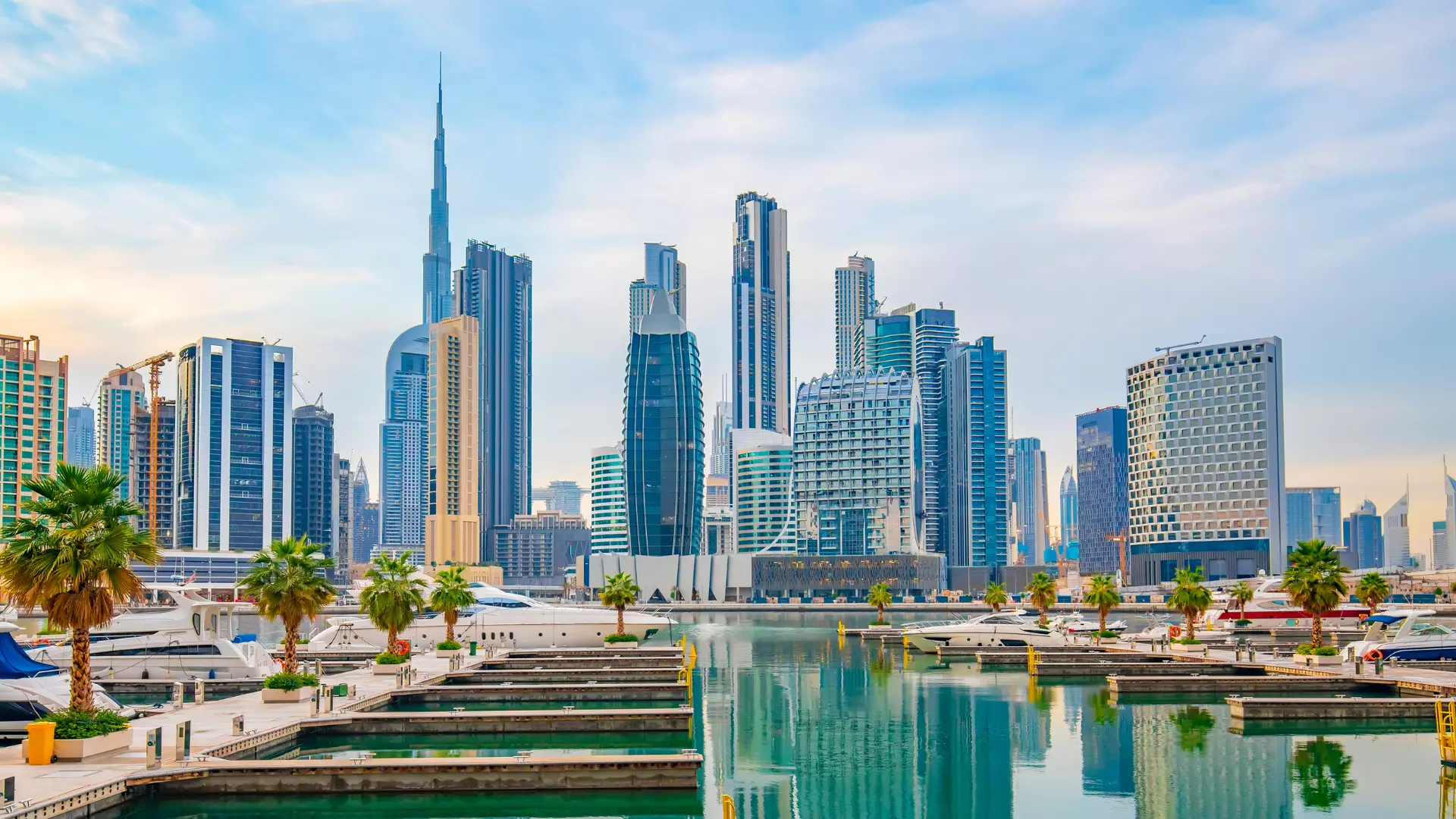

Comprehensive Guide to Opening a Mainland Company in Dubai
Introduction:
Dubai has emerged as one of the leading business hubs globally, attracting entrepreneurs and investors from around the world. The city’s strategic location, advanced infrastructure, and business-friendly regulations make it an ideal destination for setting up a company. Opening a mainland company in Dubai provides a plethora of opportunities for foreign investors and local entrepreneurs alike. However, navigating the regulatory landscape and ensuring compliance with local laws can be a daunting task. This comprehensive guide aims to elucidate the essential steps and considerations for establishing a mainland company in Dubai.
Understanding the regulatory framework surrounding mainland companies is crucial for prospective business owners. The Department of Economic Development (DED) is the primary regulatory authority responsible for issuing trade licenses and overseeing commercial activities in Dubai. This framework aims to create a conducive environment for business, allowing for growth while ensuring compliance with local regulations. Each business activity you intend to conduct has its own set of regulatory criteria and permissible activities, which must be adhered to in order to avoid penalties or legal repercussions.
Additionally, mainland companies have the advantage of being able to trade directly with the UAE market, as well as having the option to operate across the broader GCC region. However, it’s important to note that recent laws have introduced changes regarding foreign ownership. A mainland company can now be 100% foreign-owned for certain business activities, while for others involving specific sectors, a local sponsor or service agent may still be required to hold 51% of the shares. As such, understanding the particular regulatory requirements related to your business activity is vital during the initial planning phase.
Step-by-Step Procedure for Company Registration in Dubai
The process of registering a mainland company in Dubai generally involves several key steps that need to be followed meticulously. First, you will need to decide on a business structure. This could range from sole proprietorships to partnerships or limited liability companies (LLCs). Each structure has its own implications regarding liability, taxation, and control, making it imperative to choose wisely.
Once you have concluded your business structure, you can avail of the services of a local business setup consultant or legal advisor to ensure compliance with all regulations, which can simplify the process. After gathering all required information, the next step is to apply for the initial approval certificate through the DED, which serves as a gateway to the next stages of business registration. Post-approval, you will need to secure your business location, and complete all necessary paperwork to finalize your trade license.
Key Documentation Required for Establishing a Mainland Entity
Establishing a mainland company in Dubai requires various essential documents to ensure compliance with local regulations. Initially, you will need to provide a copy of your passport and a photograph, which will be required for the incorporation process. Furthermore, the proposed business name must be registered and comply with local naming conventions, which prohibits names that may be considered offensive or too similar to existing entities.
In addition to personal identification documents, you’ll need to submit a Memorandum of Association (MoA) that details the rights and obligations of the partners. For specific trade licenses, additional documentation may include approvals from other relevant government departments or specific regulatory bodies, depending on the nature of your business activity. It’s essential to ensure that all documentation is accurate and in compliance with local laws to avoid delays.
Compliance Obligations for Mainland Companies in Dubai
Once your mainland company is registered, compliance doesn’t stop there; ongoing regulatory obligations must be fulfilled to maintain operational legitimacy. Companies are required to maintain proper accounting records and conduct annual audits, depending on the business structure and size of the company. Employing a certified accountant can greatly assist in meeting these obligations and ensuring that financial records are transparent and accurate.
Additionally, businesses must comply with local labor laws and regulations, which include securing labor cards for employees and establishing health and safety practices. Regular updates on changes to regulations are advised, as non-compliance can result in penalties, fines, or even business shutdown. Establishing a robust compliance framework is essential to ensure that your business remains operational and reputable in the competitive Dubai market.
Conclusion:
Establishing a mainland company in Dubai is an exciting venture filled with numerous opportunities; however, it comes with its share of complexities regarding regulations and compliance. By thoroughly understanding the regulatory framework, following a structured registration process, ensuring the readiness of required documentation, and adhering to compliance obligations, entrepreneurs can successfully navigate the landscape and thrive in this dynamic marketplace. The UAE’s commitment to fostering a favorable business environment makes it a formidable choice for anyone looking to expand or start their enterprise in the region.
FAQs
1. What is the main difference between a mainland company and a free zone company in Dubai?
Mainland companies have the flexibility to trade directly with the UAE market and don’t have any restrictions on local transactions, whereas free zone companies are primarily limited to operations within their respective free zones and international markets. Moreover, mainland companies can conduct a wider variety of business activities but might require a local sponsor, while free zone companies can be 100% foreign-owned.
2. Is there a minimum capital requirement for opening a mainland company in Dubai?
Yes, the minimum capital requirement for establishing a mainland entity often depends on the type of business activity and company structure you choose. For most commercial businesses, a minimum capital investment is not mandatory; however, certain activities may have specified capital requirements outlined by the DED or other regulatory authorities.
3. What are the steps if I want to change the business activity of my mainland company?
To change your business activity for a mainland company in Dubai, you will need to submit a request to the DED through the online system or in-person at the relevant service centers. Documentation such as a trade license, MoA, and relevant approvals from other stakeholders may be required, and it is advisable to consult with a business setup expert to ensure a smooth transition.
4. Do I need to hire a local sponsor for my mainland company?
This depends on the business activity you intend to engage in. For certain activities, it is mandatory to have a local sponsor or service agent holding 51% of the shares. However, recent regulations allow 100% foreign ownership for many activities. Thus, understanding the specific requirements for your business activity is essential.
5. What are the consequences of non-compliance for a mainland company in Dubai?
Non-compliance with local regulations can result in a variety of penalties, including fines, legal disputes, or even termination of the business trade license. Continued compliance with local laws, including maintaining proper records and submitting required audits, is crucial to avoid these negative repercussions and to sustain the company’s operations in Dubai.