
The Future of Integrated Wellness and Medical Tourism in the UAE
Dubai Healthcare City – Phase 2 (DHCC Phase 2) is a purpose-driven expansion of the original DHCC master plan, focusing on wellness, medical tourism, alternative medicine, and healthcare innovation. Spanning 19 million sq. ft. along Al Khail Road and Dubai Creek, it aims to establish Dubai as a global destination for holistic healthcare and wellbeing.
Core Benefits for All Industries
Strategic Healthcare Location:
- Centrally located in Al Jaddaf, with direct access to Dubai International Airport and major highways.
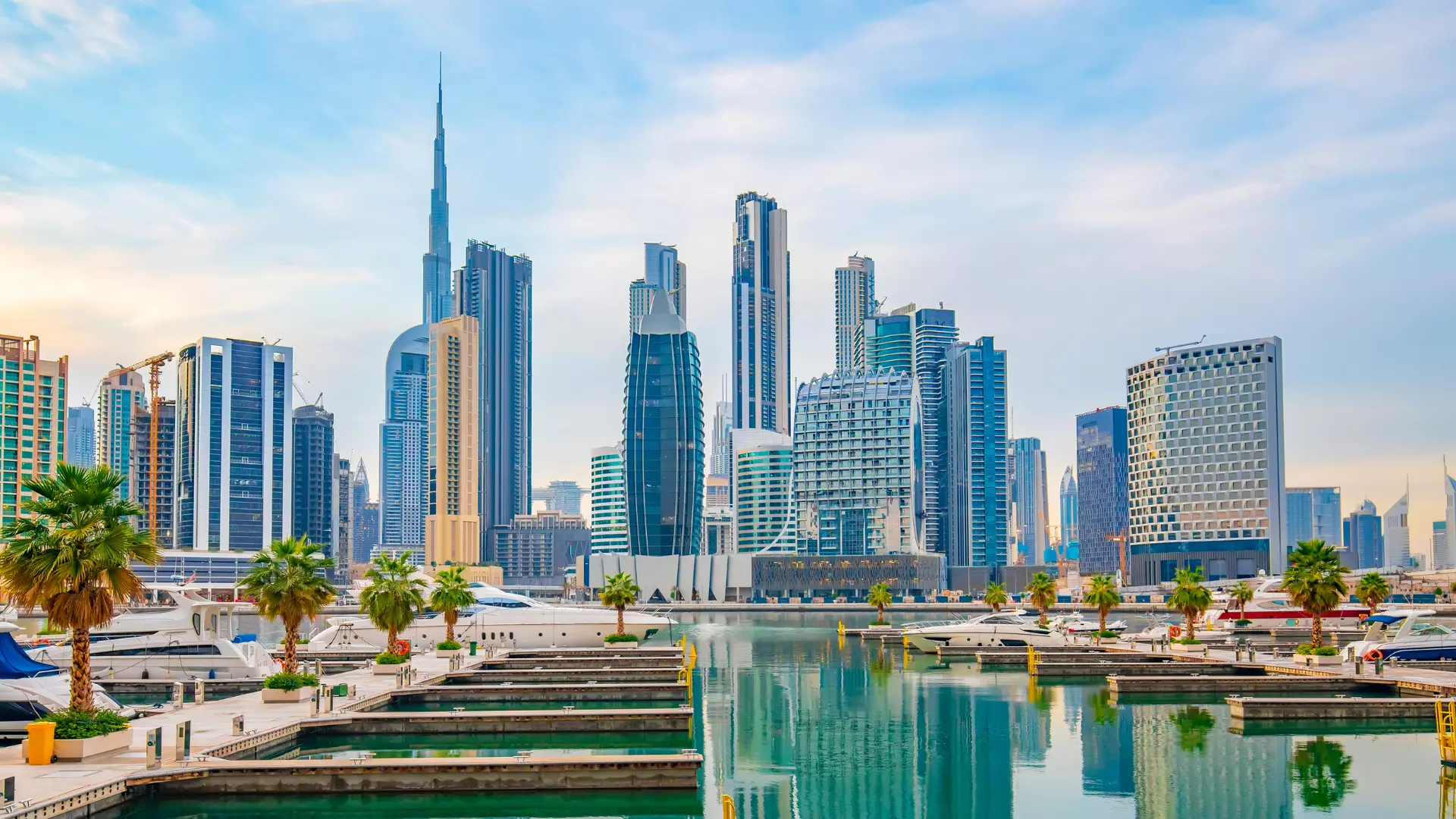
- Situated adjacent to the iconic Dubai Creek waterfront and cultural institutions.
- Part of the larger Mohammed Bin Rashid City development for enhanced lifestyle integration.
Investor-Friendly Framework:
- 100% foreign ownership and full repatriation of profits.
- The 0% corporate tax rate and no personal income tax are guaranteed for 50 years, with the option to renew the benefits after that period, as long as they comply with UAE Free Zone regulations.
- Fast-tracked licensing under the Dubai Healthcare City Authority (DHCA).
World-Class Master Planning:
- Customizable plots for clinics, hospitals, wellness resorts, and research centers.
- Zoned for mixed-use development with healthcare, hospitality, retail, and residential integration.
Benefits to Different Industries
Wellness & Medical Tourism Industry
Global Wellness Destination:
- Tailored for integrative health and wellness resorts, rehabilitation centers, and preventative care clinics, with a focus on alternative medicine (Ayurveda, homeopathy, Traditional Chinese Medicine, all regulated by DHA). Dubai’s wellness tourism market is a significant component of the UAE’s health and wellness market, which reached USD 19.03 billion in 2024 and is projected to grow to USD 28.01 billion by 2033 (3.94% CAGR).
- Dubai offers luxury wellness resorts like ZOYA Health and Wellbeing Resort, providing holistic approaches to mind and body rejuvenation.
Medical Tourism Hub:
- Infrastructure is aligned with Dubai’s ambition to attract medical tourists; the city welcomed over 691,000 international medical tourists in 2023, generating healthcare expenditures exceeding AED 1.03 billion (approx. USD 280 million). Dubai aims to become a top 10 global medical tourism hub, ranked 6th globally in the 2020-2021 Medical Tourism Index.
- Provides seamless access to international patient services, multilingual staff, and specialized care packages, supported by initiatives like the “Dubai Health Experience (DXH)” platform.
Hospitality Integration:
- Proximity to five-star hotels, serviced apartments, and luxury wellness retreats supports recovery-focused tourism. Dubai’s tourism sector is booming, with 18.72 million international visitors in 2024, ensuring a strong flow of potential clients seeking integrated wellness and medical services.
- The KSA & UAE spa market alone was valued at USD 1.9 billion in 2024 and is projected to reach USD 4.3 billion by 2034.
Patient-Centric Design:
- The master plan emphasizes walkability, green spaces, and tranquil zones for post-treatment recovery, enhancing the patient experience. This holistic approach aligns with the growing preference for wellness-focused medical tourism, which includes rehabilitation and holistic treatments.
Hospitals & Specialty Clinics
Build-to-Suit Medical Facilities:
- Land is available for multi-specialty hospitals, day-care surgery centers, IVF labs, and outpatient facilities, with customized plot sizes to suit specific needs. Dubai Healthcare City (DHCC) boasts over 120 medical facilities, including hospitals like Mediclinic City Hospital, and 120 outpatient centers, with significant land parcels available in new development areas like Dubai Waterfront and Dubai South for further expansion.
- Access to world-class infrastructure with medical-grade utilities, sanitation systems, and emergency response support. Dubai’s infrastructure is designed to meet stringent healthcare standards, ensuring reliable power, water, and waste management systems essential for critical medical operations.
Healthcare Workforce Support:
- Partnerships with academic and licensing bodies (e.g., Dubai Health Authority – DHA, Mohammed Bin Rashid University of Medicine and Health Sciences – MBRU) enable access to skilled professionals and simplified credentialing. The DHA actively supports attracting and retaining medical talent, with over 4,000 licensed professionals in DHCC alone.
- Public-Private Partnerships (PPPs) are a strategic imperative in UAE healthcare, fostering collaborations that enhance workforce development and extend specialist care.
Advanced Patient Flow Ecosystem:
- Integrated transport, smart signage, and patient navigation systems improve care delivery efficiency. AI and telemedicine are increasingly being integrated to enhance chronic illness management and streamline patient journeys, with patient navigation solutions showing 3.5 times better results in improving care transitions and resource use.
- Hospitals are deploying Electronic Health Records (EHR) systems to ensure accurate and accessible patient information, contributing to a more efficient and safer healthcare process.
Custom Health Clusters:
- Facilities can be clustered by specialty (oncology, orthopedics, fertility, etc.) for ecosystem synergy. DHCC, for example, is home to a wide range of specialties. The Hamdan Bin Rashid Cancer Hospital, currently under development by Al Jalila Foundation (a key partner of Dubai Health), is a significant example of a specialized cluster focusing on integrated cancer care.
- This clustering attracts specialized medical tourists; dental care accounts for 29% of medical tourism in Dubai, dermatology 27%, and gynecology 13%, indicating strong demand for focused medical services.
Pharmaceuticals, MedTech & Research
Innovation-Friendly Zoning:
- Offers dedicated zones for biotech firms, R&D labs, diagnostics companies, and medical device innovators. The Middle East’s biotech industry reached $32 billion in 2020, with the GCC biotechnology market projected to reach $2.6 billion by 2028. Dubai has over 350 life sciences firms, with specialized hubs like Dubai Biotechnology and Research Park (DuBiotech) and Dubai Science Park (DSP) fostering an innovation ecosystem.
- This includes specialized infrastructure for genomics, personalized medicine, and biotech startups. The UAE medical devices market is valued at $3.8 billion in 2024 and is projected to grow at an 8.87% CAGR to 2030.
Clinical Trials & Collaborations:
- Provides an ideal environment for global healthcare companies to conduct clinical trials in partnership with Dubai-based hospitals and universities. The Ministry of Health and Prevention (MoHAP) approves clinical trials within 90 calendar days.
- While the UAE has traditionally been a consumer rather than a producer of clinical research, there’s a growing focus on localizing R&D, with initiatives like the Dubai Research and Development Programme. Industry-sponsored clinical trials constituted 4.9% of total studies approved until June 2023.
Cold Chain & Compliance:
- Infrastructure supports temperature-controlled storage for pharmaceuticals, biologics, and vaccines. Abu Dhabi Airport recently doubled its cool chain capacity to 3,000 sqm specifically for pharmaceutical cool chain products, and major players like Pharmatrade in Dubai have state-of-the-art cold chain facilities with multiple cold rooms and deep freezers to maintain temperatures from -20°C to +8°C, adhering to international regulations.
- This is crucial for the UAE pharmaceutical market, which is projected to reach $36 billion by 2028 (7.7% CAGR), with a shift from import reliance to local manufacturing and R&D.
Proximity to Government Regulators:
- Ensures streamlined registration and licensing through the Dubai Healthcare City Authority (DHCA) and alignment with UAE Ministry of Health and Prevention (MoHAP) protocols. MoHAP offers online services for registering conventional pharmaceutical products (including biologics) with a typical processing time.
- DHCA aims for an average processing time of 10 working days for new facility licenses and 17 working days for healthcare professional licenses, simplifying the setup and operational compliance for businesses in the sector.
Wellness Real Estate & Hospitality
Integrated Wellness Communities:
- Plots are available for developers building health resorts, active living residences, and age-in-place housing. A recent UAE survey indicated that 90% of residents consider a healthy home environment essential, and over 80% are willing to invest more in properties that actively support their well-being. This reflects a rising demand for “Longevity Real Estate.”
- Dubai’s real estate market is booming, with residential sales prices rising 20% in 2024 and transaction volumes surging, making it an attractive market for new developments. The UAE also recently extended the housing loan age limit to 95 years with life insurance for senior citizens, highlighting a growing focus on supporting an aging population and age-in-place initiatives.
Mixed-Use Commercial Benefits:
- Approved for developing retail outlets, wellness cafés, fitness centers, pharmacies, and lifestyle brands aligned with health-focused living. The retail sector in Dubai is a key growth driver, with total retail expenditure expected to increase by 6% from 2025 to 2027.
- The increasing focus on health and well-being is driving demand for specific wellness spaces, including health-conscious cafes like Organic Foods & Café, which emphasizes organic and biodynamic products.
Waterfront Value Proposition:
- Premium plots along Dubai Creek offer unique opportunities to develop iconic wellness destinations combining nature and care. Dubai Creek Harbour, for example, features 7.4 million sqm of residential space, 500,000 sqm of parks and open spaces, and direct access to Dubai Creek Marina and the Ras Al Khor Wildlife Sanctuary, creating tranquil environments ideal for wellness-focused developments.
- Projects like Therme Dubai, a $545 million (AED 2 billion) wellness resort set to open in Zabeel Park by 2028, exemplify Dubai’s commitment to creating world-class wellness tourism destinations. This resort, at 100 meters, will be the world’s tallest well-being center, featuring an interactive park and the world’s largest indoor botanical garden, demonstrating the scale of ambition for wellness real estate.
Why Choose DHCC Phase 2
Smart Health City Vision:
- Features a fully digital infrastructure for telemedicine, smart diagnostics, and remote monitoring. Dubai is a leader in integrating IoT solutions into healthcare, enabling continuous patient monitoring through wearable devices and smart sensors, and transforming hospital infrastructure with smart beds and environmental controls. AI and machine learning are leveraged to analyze vast amounts of patient data for predictive analytics and personalized treatment plans, enhancing diagnostic support and optimizing healthcare workflows.
- IoT-enabled facilities and health-tech integration are central to development design, driving the vision of smart, connected hospitals.
Sustainability Standards:
- Supports green building compliance and wellness-certified real estate. Dubai’s Green Building Regulations and Specifications, mandatory for all new buildings since March 2014, encourage eco-friendly construction, energy efficiency, water conservation, and the use of environmentally friendly materials. The city has ambitious goals to reduce its carbon footprint and promote sustainable development, aligning with the UAE Green Agenda 2015-2030 and the Dubai 2040 Urban Master Plan.
- Energy-efficient, low-emission buildings contribute to long-term operational savings by reducing utility costs and reliance on non-renewable resources.
Government-Backed Ecosystem:
- Operates under Dubai Healthcare City Authority (DHCA), with strong support from the Dubai Government, ensuring policy alignment and regulatory clarity. DHCA, launched in 2002, was mandated to meet the demand for high-quality, patient-centered healthcare and attract medical tourists. The Dubai Health Authority (DHA) provides comprehensive oversight, setting policies, strategies, and standards, and ensuring the development, regulation, licensing, and monitoring of healthcare services.
- This robust government backing ensures a stable and supportive environment for healthcare businesses.
Access to Global Markets:
- Provides a strategic base to serve the GCC, Africa, South Asia, and Europe. Dubai welcomed over 691,000 international medical tourists in 2023, with healthcare expenditures exceeding AED 1.03 billion (approx. USD 280 million).
- Key source markets in 2023 included Asia (33%), Arab countries within the GCC (28%), and European countries, along with the Commonwealth of Independent States (23%). This positions Dubai as a central link in the global healthcare value chain for both inbound patients seeking quality treatment and outbound partnerships for research and development.
Dubai Healthcare City – Phase 2 is where world-class care meets wellness innovation. Whether you’re a healthcare operator, wellness resort, researcher, or pharma firm, DHCC Phase 2 offers the infrastructure, vision, and global reach to build your future in health.