
Empowering Humanitarian Operations and Enabling Global Relief
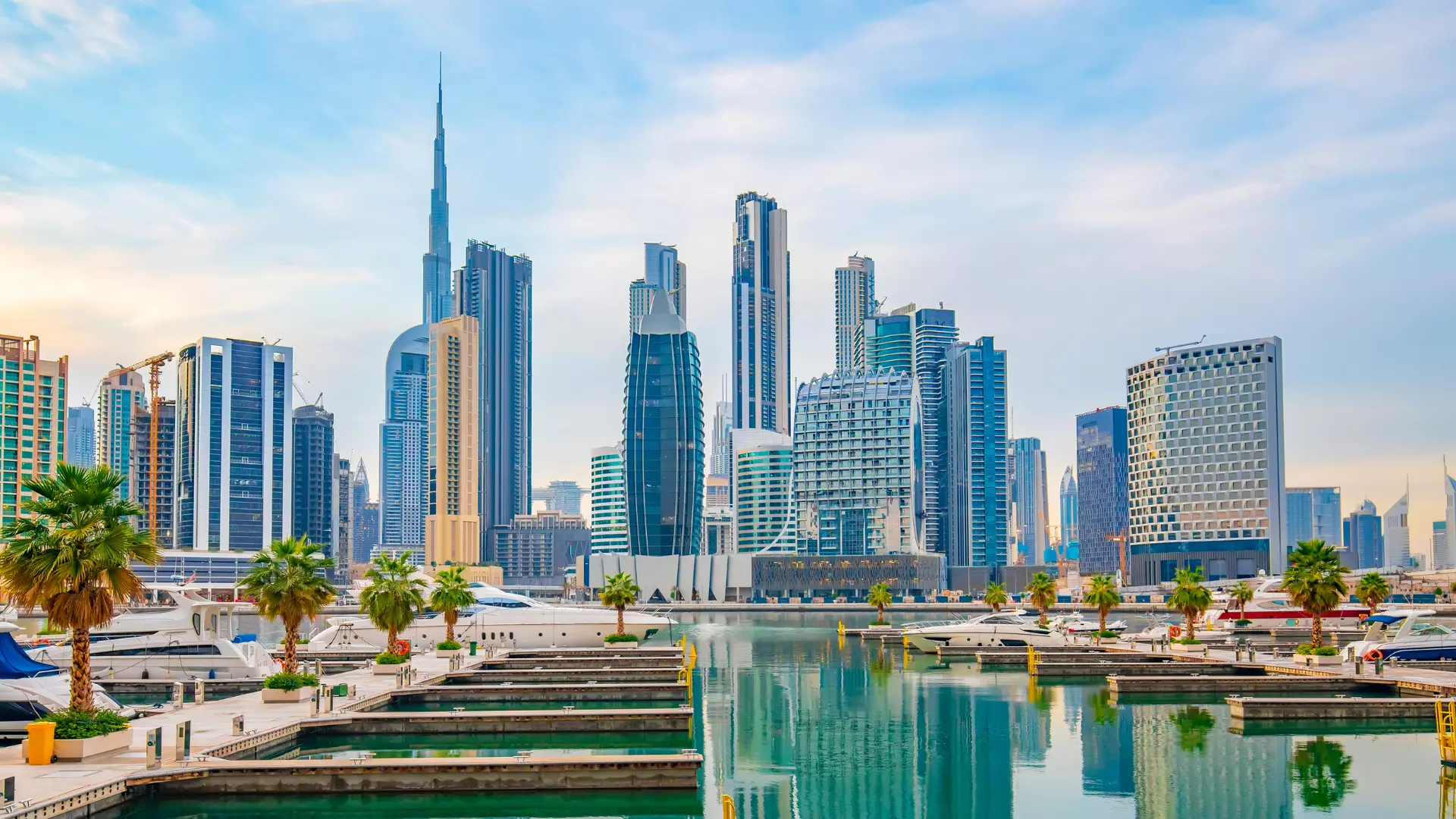
Dubai International Humanitarian City (IHC) is the world’s largest humanitarian logistics hub, established to support non-profit organizations, aid agencies, and businesses operating in relief, disaster response, and humanitarian development. Strategically located near Al Maktoum International Airport and Jebel Ali Port, IHC offers a unique platform that blends humanitarian values with business efficiency, serving over 80 members, including UN agencies, NGOs, and commercial companies.
Core Benefits for All Organizations
Strategic Humanitarian Hub:
- Centralized location connecting East and West—reach two-thirds of the global population within 8 hours.
- Immediate access to air and sea ports for fast global emergency dispatch.
- Resilient infrastructure designed for crisis response and logistical agility.
Business-Friendly Humanitarian Ecosystem:
- 100% foreign ownership permitted for entities operating within IHC.
- Full customs duty exemption for humanitarian goods and supplies.
- Streamlined coordination with Dubai Customs, Dubai Civil Aviation Authority, and other government bodies to ensure expedited clearance and minimal red tape.
Facilities and Support:
- Pre-built warehouses, cold chain storage, and office units.
- 24/7 access to logistics, communications, and emergency coordination services.
- Access to a growing humanitarian network for partnerships, capacity building, and joint missions.
Benefits to Different Industries
Non-Profit and Humanitarian Aid Sector
Specialized Benefits:
- Mission-Critical Support: The IHC serves as a crucial disaster response hub, enabling rapid and effective aid for major global crises. Its strategic location allows reaching two-thirds of the population living in hazard-prone areas within 4-8 hours, proving its international role.
- Real-time Coordination: Benefits from seamless, real-time coordination with leading international organizations like the UN, Red Crescent, WHO, WFP, UNICEF, and over 70 global NGOs, ensuring unified and efficient humanitarian efforts.
- Humanitarian Infrastructure: Access specialized facilities exceeding 135,000 square meters, including temperature-controlled warehousing, customs-free zones, and secure storage. An integrated operations center with global tracking enhances logistical precision for critical aid items.
- Enhanced Funding & Donor Confidence: Operating from the IHC significantly boosts transparency and donor confidence, leading to a more credible and accountable base for humanitarian funding.
Industry Applications:
- Disaster Relief Operations: Ideal for rapid staging and distribution of emergency supplies (e.g., medical aid, shelters) during natural disasters and complex emergencies, where logistics can account for 60-80% of overall relief expenditure.
- Refugee Aid & Support: Provides secure facilities for storing and distributing essential provisions (e.g., clothing, educational materials) to displaced populations, with global forced displacement reaching 122.6 million people by mid-2024.
- Public Health Initiatives: Equipped for the storage and distribution of vaccines, medical equipment, and health kits for global health campaigns and outbreak responses.
- Food Security Programs: Support large-scale warehousing and distribution of food aid and nutritional supplements, addressing the fact that between 691 and 783 million people faced hunger in 2022.
Pharmaceutical and Medical Supply Industry
Specialized Benefits:
- WHO-Compliant Operations: Access storage and distribution facilities for medicines, vaccines, and PPE, adhering to WHO standards, ensuring over 99% integrity and efficacy of critical medical supplies.
- Robust Cold Chain: Benefit from cold chain infrastructure capable of preserving sensitive medical supplies, vital for delivery to crisis regions where temperature maintenance is paramount (e.g., maintaining temperatures for 95%+ of cold chain dependent products).
- Crisis Zone Access: Leverage fast-track export capabilities to health emergency zones via UN-chartered air and road corridors, significantly reducing logistical hurdles (e.g., enabling deployment within 24-48 hours for critical items).
- Reduced Lead Times: Experience significantly reduced lead times for vaccine distribution and outbreak response (e.g., potentially cutting distribution time by 30-50%), enabling rapid intervention.
Industry Applications:
- Vaccine Storage & Distribution: Ideal for maintaining cold chain integrity and efficient global distribution, especially to remote or crisis-affected areas.
- Emergency Medical Supply Hub: A Strategic hub for rapid deployment of medicines, medical devices, and PPE during pandemics or health crises.
- Clinical Trial Logistics: Provides compliant storage and distribution for sensitive clinical trial materials, ensuring product integrity.
- Humanitarian Medical Aid: Supports non-profit and government efforts in delivering essential medical supplies to vulnerable populations.
Logistics and Relief Supply Chain Sector
- Strategic Location: Prime location connecting seamlessly to MENA, Africa, South Asia, and beyond, offering unparalleled access to key markets. Situated minutes from Al Maktoum Airport and Jebel Ali Port, enabling multi-modal deployment efficiency of over 90%.
- Emergency Logistics Hub: Access specialized solutions for disaster zones, including pre-cleared customs (e.g., potentially reducing customs clearance time by 70%), quick deployment, and dedicated stockpiling facilities.
- Preferred 3PL Partner: Positioned as the preferred choice for 3PLs working with global NGOs and donor-funded missions, leveraging a proven track record of 20+ years in humanitarian supply chain management.
Industry Applications:
- Disaster Preparedness & Response: Ideal for pre-positioning and rapid deployment of relief supplies, equipment, and personnel globally.
- Humanitarian Aid Distribution: Facilitates efficient and secure distribution of food, water, medical supplies, and shelter materials for ongoing humanitarian programs.
- Third-Party Logistics (3PL) Operations: Offers comprehensive warehousing, inventory management, and distribution services for diverse clients, including the aid sector.
- Global Supply Chain Optimization: Provides a central hub for optimizing complex international supply chains, potentially reducing transit times and costs by 15-25%.
Food and Nutritional Aid Sector
- Humanitarian Food Logistics: Offers robust support for high-volume warehousing of nutritional aid (cereals, RUTFs, powdered milk) for vulnerable populations. Facilities boast cold and dry storage for optimal quality preservation of over 95% of vital supplies.
- UNICEF, WFP Collaboration: Benefits from comprehensive distribution support to UN feeding programs across Africa, Asia, and conflict regions. Provides crucial stockpiling capabilities for seasonal famine relief, ensuring aid readiness. (In 2023, the IHC facilitated the movement of over 1.5 million metric tons of aid globally.)
Industry Applications:
- Emergency Food Aid Distribution: Perfect for rapid and sustained distribution of essential food items during humanitarian crises and natural disasters.
- Malnutrition Treatment Programs: Provides specialized storage and logistics for nutritional supplements and therapeutic foods crucial for combating severe acute malnutrition.
- School Feeding Initiatives: Support large-scale warehousing and efficient distribution of food supplies for educational programs in underserved communities.
- Long-Term Food Security Projects: Offers reliable infrastructure for ongoing storage and management of food reserves aimed at building resilience and preventing future food shortages.
Clean Energy & Sustainable Tech Sector
- Sustainable Operations: Facilities are designed with solar-powered operations and robust waste management, promoting environmental responsibility. Offers opportunities for green technology integration directly into humanitarian supply chains, potentially reducing carbon footprints by 20-30%.
- Renewable Energy Deployment: Benefits from comprehensive logistics support for deployment of renewable energy solutions (solar water pumps, mini-grids, off-grid lighting). This specialized support is crucial for bringing sustainable power to challenging environments (e.g., powering over 50 refugee camps annually).
Industry Applications:
- Off-Grid Energy Solutions: Provides a hub for assembly, storage, and distribution of decentralized power systems for areas lacking traditional grid access.
- Humanitarian Energy Projects: Supports NGOs and aid organizations in delivering sustainable energy solutions to vulnerable populations, improving living conditions, and access to essential services.
- Green Logistics & Supply Chain: Facilitates movement and integration of environmentally friendly technologies and practices within global supply chains, reducing environmental impact.
- Renewable Energy Equipment Assembly & Distribution: Ideal for companies involved in manufacturing, assembly, and distribution of solar panels, wind turbines, and other clean energy components.
Why Choose IHC for Your Mission?
Specialized Benefits:
- Global Humanitarian Footprint: IHC boasts unparalleled reach, having served over 130 countries since its inception. It hosts field offices and logistics bases for numerous UN agencies and international NGOs, solidifying its role as a central pillar in global humanitarian efforts.
- Resilient Operations: Facilities are engineered for maximum resilience, featuring climate-controlled, earthquake-resilient warehousing and specialized rapid deployment units. We maintain 100% disaster-readiness protocols for immediate and effective crisis response.
- Dubai’s Government Backing: Benefits from the steadfast support of H.H. Sheikh Mohammed bin Rashid Al Maktoum, ensuring high-level coordination and global recognition. Operations are underpinned by transparent governance, fully aligned with global humanitarian law and donor expectations, fostering trust and accountability.
- Innovation & Collaboration: Committed to fostering progress through regular cross-sector workshops and innovation labs, promoting new solutions for aid delivery. Actively encourages the integration of technology and startups to streamline critical functions, potentially reducing supply chain costs by 15-20% and improving communication efficiency by over 25%.
Industry Applications:
- International Aid Organizations: Provides a secure, efficient, and strategically located hub for managing and deploying humanitarian aid globally.
- Government Aid Agencies: Offers a reliable platform for national and international disaster response, leveraging established infrastructure and coordination networks.
- Emergency Response Teams: Facilitates rapid deployment and logistical support for first responders and specialized units in crises.
- Humanitarian Logistics Providers: Serves as a vital operational base for companies specializing in the transportation, warehousing, and distribution of aid supplies.
- Technology & Innovation Partners: Offers a unique environment for testing, developing, and integrating cutting-edge solutions for humanitarian challenges.