

Where Global Maritime Trade Meets Innovation and Sustainability
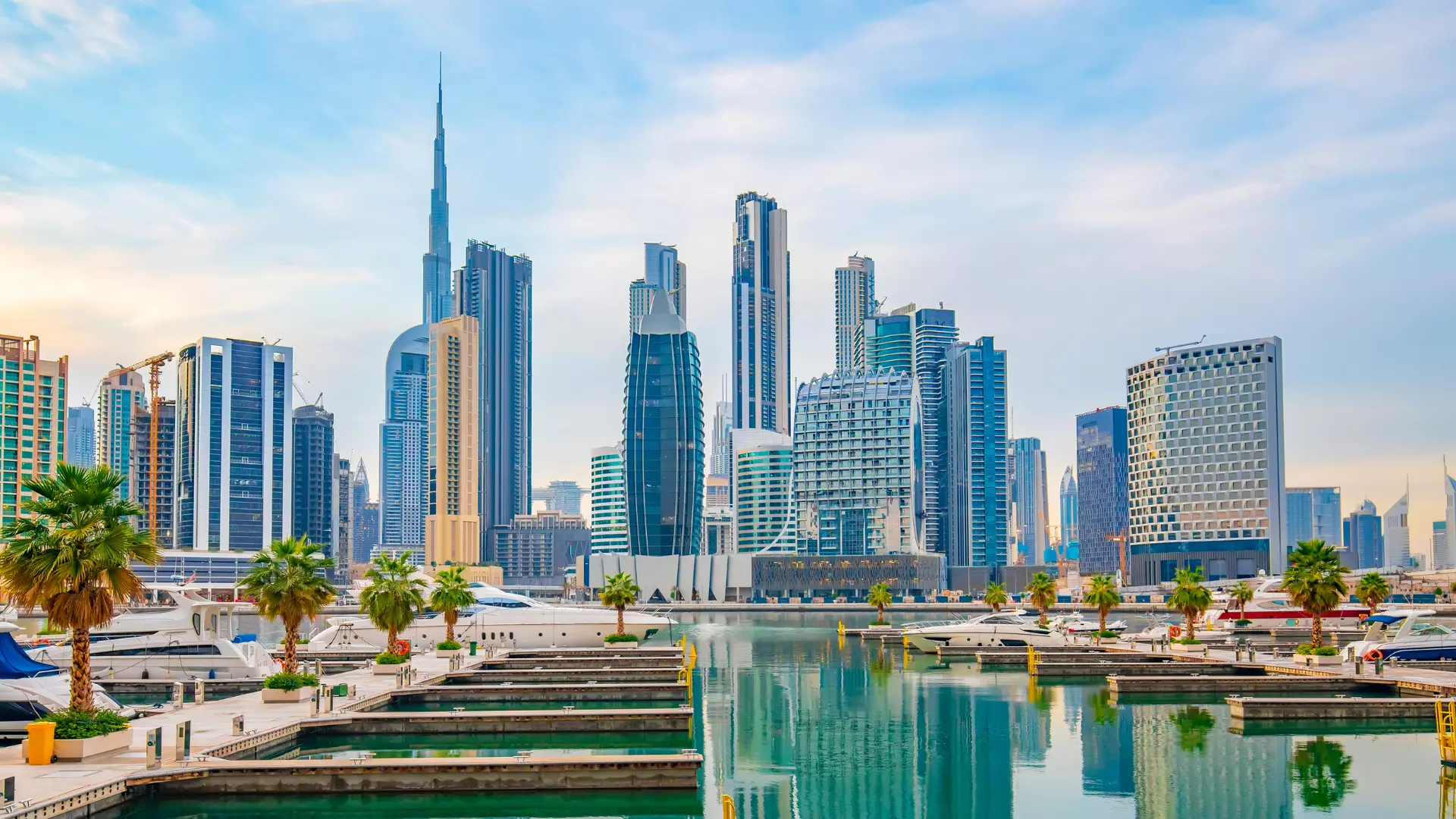
The Dubai Maritime City Authority Free Zone (DMCA Free Zone) is a specialized economic zone dedicated to advancing maritime commerce, shipbuilding, marine services, and ocean-based innovation. Strategically located between Port Rashid and Dubai Drydocks, this world-class hub supports businesses across the full marine industry value chain—from design and manufacturing to logistics and maritime law.
Core Benefits for All Industries
Maritime-Optimized Location:
- Situated at the heart of Dubai’s coastline with direct access to shipping lanes.
- Minutes from Port Rashid, Dubai Drydocks, and key trade corridors by sea and road.
- Integrated within Mina Rashid’s development for commercial, industrial, and leisure marine activities.
Business Incentives & Regulatory Benefits:
- 100% foreign ownership and full profit repatriation.
- 0% corporate tax for qualifying Free Zone income and no personal income tax, guaranteed for 50 years (renewable), subject to UAE Free Zone regulations.
- Operates under the Dubai Maritime City Authority (DMCA), offering tailored licensing and maritime regulatory support.
Maritime Cluster Ecosystem:
- Planned zones for ship repair, yacht manufacturing, maritime training, engineering, and business services.
- Proximity to government bodies, classification societies, and customs offices for smoother operations.
Benefits to Different Industries
Shipbuilding, Repair & Engineering Industry
Marine Industrial District:
- Offers heavy-duty infrastructure for dry docks, shipyards, slipways, and fabrication yards, ideal for shipbuilding, repair, retrofitting, painting, and marine engine maintenance. Dubai Maritime City (DMC) has significantly boosted its ship handling capacity from 400 to 1,000 vessels per year (as of September 2024) through upgrades to its 6,000-tonne and 3,000-tonne ship lifts and the introduction of new ship cradles.
- DMC’s industrial precinct, the only specialized maritime cluster in the GCC, includes 19 ship repair plots and two ship lifts (3,000 and 6,000 tons capacity), making it capable of repairing over 30 vessels simultaneously across its 55,000+ sqm facilities.
Custom-Built Facilities:
- Provides land plots and built-to-suit facilities for hull fabrication, vessel outfitting, and mechanical workshops. DMC also has 13,500 sqm of covered and insulated production facilities with overhead cranes, and 20,000 sqm for outfitting and assembly.
- Access to high-capacity cranes, marine-grade utilities, and hazardous materials compliance support ensures seamless operations for complex projects. Drydocks World, a DP World Company in Dubai, operates a yard spread over 1 million square meters with three graving docks and a floating dock, along with over 3,700m of berth space.
Skilled Workforce Access:
- Benefits from onsite labor accommodation and easy access to certified marine engineers and technicians. Dubai’s maritime industry contributes significantly to its GDP (AED 26.9 billion in 2015, with continued growth expected) and is supported by a robust talent pool. DMC alone hosts over 280 registered businesses with a substantial workforce.
- The availability of qualified professionals and simplified recruitment procedures within the free zone environment further supports the needs of the shipbuilding and repair industry. The Middle East and South America are projected to be the fastest-growing regions in the shipbuilding and repairing market, with CAGRs of 19.7% and 19.0% respectively, during 2023-2028, indicating strong regional demand for skilled labor.
Yacht & Leisure Boat Industry
Yacht Manufacturing & Customization:
- Dedicated precincts for building, modifying, and servicing luxury yachts and pleasure crafts, supported by high-quality facilities. Dubai is home to prominent yacht builders like Gulf Craft and Majesty Yachts, known for producing luxury motor yachts and superyachts. Gulf Craft, for example, recently unveiled eight new models at DIBS 2025, including the Majesty 120, with all units selling out.
- Direct sea access for launching, testing, and delivery is a critical feature, with locations like Dubai Maritime City offering extensive sea access and large ship lifts. Facilities like Portofino Marine Service in Al Jaddaf specialize in building and customizing aluminum boats and catamarans with CE certification.
Luxury Marine Services:
- A hub for marina operators, charter services, brokers, and marine leisure management companies. Dubai has firmly cemented its position as a global yachting hub, hosting about five percent of the world’s superyacht fleet and boasting more than 15 marinas that cater to luxury vessels of all sizes, including superyachts up to 160 meters. Dubai Harbour Marinas alone features approximately 700 berths for yachts up to 160m.
- Supports the growing demand for premium yachting experiences from high-net-worth individuals in the region. The population of Ultra-High-Net-Worth Individuals (UHNWIs) in the Gulf is rapidly rising, driving significant interest in yacht charter and sales. The UAE leads the region with at least 148 superyachts over 30 meters. The Dubai International Boat Show (DIBS) attracts thousands of visitors and showcases over 200 yachts and watercraft annually, highlighting the robust market.
Integration with Marina Tourism:
- Offers opportunities to link yacht services with Dubai’s thriving waterfront hospitality and tourism markets. Luxury yacht charters are a popular attraction for visitors, offering unique views of iconic landmarks like the Burj Al Arab and Palm Jumeirah.
- Dubai’s continuous investment in waterfront developments like Dubai Harbour and the expansion of its tourism sector, which saw 18.72 million international visitors in 2024, ensures a strong synergy between yachting, hospitality, and overall leisure experiences. This includes integrating yacht clubs with high-end restaurants, cafes, and retail offerings, creating a complete luxury lifestyle ecosystem.
Marine Logistics & Trading
Strategic Maritime Trade Location:
- Located between Dubai’s major ports, ideal for ship chandlering, marine spare parts trading, and broader maritime logistics. Dubai Maritime City (DMC) is specifically positioned between Port Rashid and Dubai Drydocks, offering easy access to the sea, airports, and major road networks. It supports over 280 registered maritime businesses, providing a critical hub for ship supplies, technical support, and logistical planning.
- Dubai’s strategic location at the crossroads of major international shipping lanes, linking to over 220 ports worldwide, makes it a vital node for supporting global maritime trade. The emirate is home to over 13,000 maritime businesses and activities, including a significant ship chandlering industry that provides essential supplies to vessels during port stays, reducing downtime and enhancing safety.
Customs & Warehousing Support:
- Benefits from onsite customs clearance and readily available bonded warehouses. Dubai’s free zones, including those supporting maritime activities, offer 100% foreign ownership and customs duty exemptions, streamlining the import/export of marine equipment, navigation tools, and offshore materials.
- Bonded warehouses in strategically located areas like Jebel Ali Free Zone (Jafza) provide secure storage for marine supplies, allowing businesses to defer customs duties until goods are moved out of the free zone, improving cash flow. These facilities are equipped with advanced security systems and often offer value-added services like inventory management and order processing.
Multi-Modal Transport Link:
- Offers robust road and sea connectivity for last-mile marine supply and offshore deliveries across the GCC. Dubai’s integrated logistics infrastructure, including world-class ports like Jebel Ali (one of the largest man-made harbors globally, handling over 14 million TEUs annually), ensures efficient movement of goods.
- The GCC freight and logistics market, valued at USD 172.08 billion in 2024, is projected to reach USD 293.2 billion by 2033, driven by increasing trade volumes and significant infrastructure investments across the region. Multimodal transportation, which integrates road, sea, and air under a single contract, is widely adopted in the GCC for efficient cargo movement, providing seamless deliveries for marine logistics operations, including crucial offshore support.
Maritime Services & Business Support
Professional Services Hub:
- Serves as an ideal base for classification societies, insurance providers, surveyors, and maritime legal firms. Dubai Maritime City (DMC) is home to numerous such companies, supporting the UAE’s robust maritime sector, which contributed AED 129 billion to the national GDP in 2022.
- Regulatory and documentation support is seamlessly provided by the Dubai Maritime Authority (DMA) for vessel registration, flagging, and compliance. The DMA offers comprehensive online services for marine vessel registration and licensing, including new registrations, renewals, and technical amendments, ensuring operational efficiency and adherence to local and international standards.
Training & Education Facilities:
- Provides zones specifically allocated for maritime academies, simulation centers, and crew training institutes. Institutions like the Sharjah Maritime Academy and Abu Dhabi Maritime Academy offer a range of IMO and STCW-compliant courses, covering essential training such as Basic Safety Training, Advanced Fire Fighting, and Bridge Resource Management, among others.
- These facilities support the continuous professional development of maritime personnel, ensuring that the workforce meets international standards for safety and competence.
Innovation in Maritime Tech:
- Actively supports startups and R&D in autonomous shipping, advanced navigation systems, and green marine technologies. Dubai is investing in maritime innovation, with initiatives like the “Innovation Quay project” at Dubai Maritime City, which supports startups in maritime AI, blockchain, autonomous vessels, and green tech.
- The city’s focus on sustainability extends to the maritime sector, with a strong interest in eco-friendly marine solutions. For example, the launch of solar-powered vehicle carriers and other green shipping innovations highlights the region’s commitment to reducing carbon emissions in maritime transport.
Why Choose DMCA Free Zone?
Central to Dubai’s Maritime Vision:
- The DMCA Free Zone is integral to Dubai’s ambitious long-term strategy to become a top global maritime capital. Dubai ranked 11th globally and 1st in the Arab world in the 2024 Leading Maritime Cities report by DNV and Menon Economics, a significant jump of two places from 2022. This upward trajectory is driven by strategic initiatives focused on enhancing competitiveness, sustainable growth, and innovation in the maritime sector.
- It actively promotes sustainability, smart ports, and innovation in marine services, aligning with the UAE’s Net Zero 2050 Strategy and efforts to decarbonize maritime transport through initiatives like the “Green Shipping Corridors Alliance.”
Global Market Access:
- Offers direct connection to Indian Ocean trade, GCC coastlines, and East Africa via Dubai’s extensive shipping network. DP World, headquartered in Dubai, operates 82 marine and inland terminals in over 40 countries, handling approximately 10% of global container traffic, providing unparalleled access.
- Facilitates maritime commerce with over 120 countries through Dubai’s world-class port system, including Jebel Ali Port, one of the world’s top 10 busiest ports, making it a critical hub for global trade.
Purpose-Built Environment:
- Features a cluster-based layout that improves collaboration and synergy between shipbuilders, suppliers, and service providers. This concentrated approach fosters a dynamic ecosystem where companies can easily interact, share resources, and create competitive advantages, leading to increased innovation and specialization. Dubai Maritime City (DMC), a key component of the DMCA Free Zone, is the only specialized maritime cluster in the GCC.
- Supports clean marine operations through advanced waste disposal systems, emission monitoring, and strict environmental compliance, aligning with global best practices for marine environmental protection. Dubai Municipality, for instance, has active programs for retrieving marine waste and enhancing waterway cleanliness, utilizing advanced technologies for monitoring and waste management.
Regulatory Convenience:
- The Dubai Maritime Authority (DMA, formerly DMCA) serves as both the licensing and regulatory authority for the free zone, offering speed, consistency, and maritime-focused governance. This integrated approach simplifies processes for businesses, ensuring regulatory clarity and reducing administrative burdens.
- Provides efficient online systems for vessel clearance, inspection scheduling, and crew licensing, further enhancing operational convenience. The DMA’s e-services portal allows for streamlined applications, renewals, and status inquiries for various maritime licenses and permits.
Dubai Maritime City Authority Free Zone is where sea-bound industries thrive, combining traditional shipbuilding excellence with the future of marine technology, logistics, and services. If your business floats, sails, or supports the sea, this is your port of opportunity.