
Unlocking Manufacturing Excellence Across Diverse Sectors in the UAE
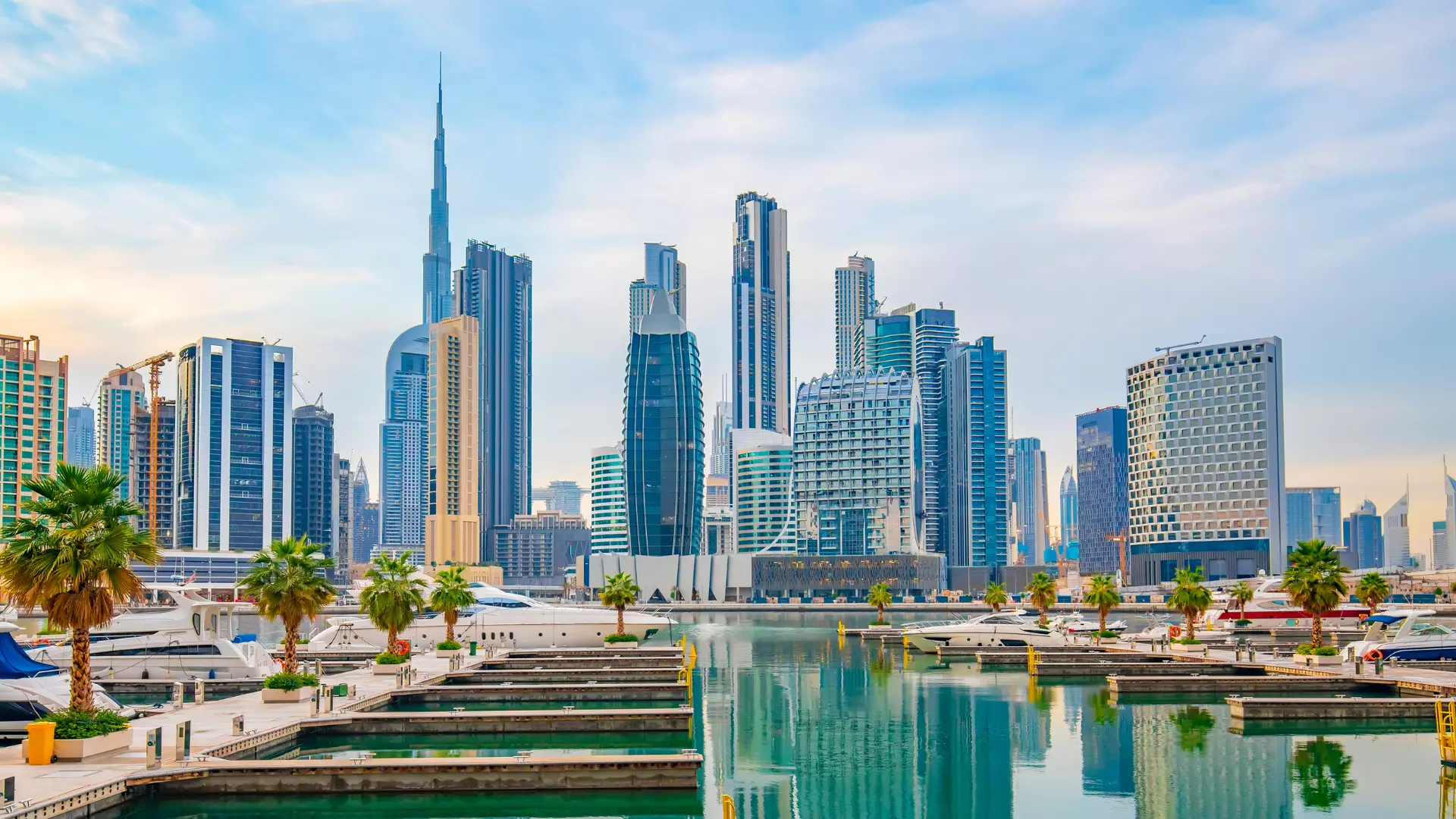
Dubai Production City (IMPZ) stands as one of the UAE’s most strategic industrial hubs, designed to transform the manufacturing landscape across multiple industries. Located in the heart of Dubai, this world-class free zone offers unparalleled advantages for businesses looking to establish production facilities in the Middle East.
Whether you’re in automotive, food processing, pharmaceuticals, or technology manufacturing, Dubai Production City provides the perfect ecosystem to scale your operations and reach global markets.
Why Choose Dubai Production City for Your Industry?
Dubai Production City offers compelling advantages that make it a preferred destination for manufacturers worldwide:
- Strategic Location: Direct access to over 2 billion consumers across the Middle East, Africa, and South Asia
- 100% Foreign Ownership: Full operational control with no local sponsor required
- Zero Import/Export Duties: Efficient and cost-effective supply chain management
- State-of-the-Art Infrastructure: Purpose-built industrial facilities with advanced logistics and utility support
- Skilled Workforce: Access to a diverse, multilingual talent pool suited for media and manufacturing sectors
- Business-Friendly Regulations: Simplified licensing, minimal bureaucracy, and a pro-investment environment
- Scalable for All Business Sizes: Ideal for startups, SMEs, and global manufacturers seeking sustainable growth
From startups to multinational corporations, Dubai Production City provides the foundation for sustainable industrial growth.
Benefits to Different Industries
Automotive Industry
Specialized Benefits:
- Dedicated Zones & Material Access: Benefit from specialized zones like Jafza, home to over 930 automotive and spare parts companies. New investments like Elite Group Holding’s AED 100 million facility in Dubai Industrial City (operational Q2 2026) enhance access to high-quality materials.
- Strategic Market Gateway: Dubai is a gateway to the $45 billion GCC automotive market. The GCC aftermarket alone is projected to reach USD 17.3 billion by 2032, with the UAE being the second-largest region for passenger car sales.
- Reduced Logistics Costs: Proximity to Jebel Ali Port, which handled a record 1.3 million vehicles in 2024 (a 53.6% increase year-on-year), and an efficient logistics network (GCC automotive logistics market estimated at USD 6.67 billion in 2025) significantly cut transportation expenses. China was the top trading partner in 2024, contributing nearly 25% of vehicle imports.
Industry Applications:
- Vehicle & Component Manufacturing: Ideal for vehicle assembly and component production. The UAE’s automotive manufacturing market is valued at USD 848.7 million in 2024, with a projected CAGR of 3.4% (2024-2030).
- Electric Vehicle (EV) Focus: Strong support for EV production and infrastructure, with the UAE aiming for 50% EV penetration by 2050 and over 620 charging stations (target of 1,000 by 2025). EV sales surged 62.2% in Q1 2025.
- Aftermarket & R&D: Flexible spaces for aftermarket parts production (UAE market expected to reach USD 1.91 billion by 2028) and R&D, with Dubai’s “Dubai Car Market” project covering over 20 million square feet for innovation.
Food & Beverage Processing
Specialized Benefits:
- World-Class Facilities: Access high-quality, temperature-controlled environments crucial for preserving freshness and inhibiting bacterial growth, aligning with global food safety standards. Facilities are HACCP-compliant, ensuring a preventive approach to food safety.
- Strategic Market Access: Direct access to the UAE’s foodservice market, valued at USD 8.5 billion in 2024 and projected to reach USD 14.2 billion by 2032 (CAGR of 6.25%). This includes the broader F&B economy, projected to reach $52.76 billion by 2030 (up from $23.21 billion in 2025, a CAGR of 17.84%).
- Extensive Export Opportunities: Seamless connectivity for exports across GCC countries and beyond, leveraging the GCC food market, expected to reach 63.46 million MT by 2030 (CAGR of 2.98%), and benefiting from strong demand for processed foods.
- Robust Regulatory Support: Benefit from streamlined food safety approvals, adherence to international quality standards, and assistance with Halal certification, a critical requirement for accessing the global Muslim consumer market (estimated at 1.8 billion consumers). Dubai Municipality is the primary enforcement body for food safety regulations.
Industry Applications:
- Dairy & Beverage Production: Facilities for processing milk, juices, and other beverages, ensuring controlled environments for optimal quality and shelf life. The UAE non-alcoholic drinks e-commerce market is expected to grow at an 18.7% CAGR over the next four years.
- Meat & Poultry Processing: Specialized facilities adhering to stringent hygiene and temperature control for processing and packaging meat and poultry products, with Halal compliance a key focus.
- Ready-to-Eat Meals & Packaged Foods: Supports the efficient production, packaging, and distribution of prepared meals and various packaged food items, catering to rising consumer demand for convenience.
- Fruits & Vegetables Processing: Infrastructure for sorting, cleaning, cutting, and packaging fresh and processed fruits and vegetables, with the UAE’s F&V consumption expected to grow at a 3.9% CAGR between 2022 and 2032.
- Sustainable Food Production: Initiatives like the “Dubai Food Tech Valley” are on track to triple Dubai’s food production, with a focus on clean-based food and agricultural products, and growing interest in plant-based options (CAGR of 8.6% through 2025).
Pharmaceutical Manufacturing
Specialized Benefits:
- Robust Regulatory Framework: Benefit from a strong regulatory environment led by the Emirates Drug Establishment (EDE), which has taken over from the Ministry of Health and Prevention. Facilities are GMP-compliant, ensuring adherence to international quality standards for pharmaceutical manufacturing.
- Fast-Track Approvals: Streamlined and fast-track approval processes for products, including conditional and emergency use marketing authorizations, facilitate quicker market entry.
- Strategic Market & R&D Hub: Dubai offers significant opportunities within the burgeoning Middle East healthcare sector. The UAE pharmaceutical manufacturing market is valued at USD 4.5 billion as of 2024, with a projected CAGR of 7.4% from 2024 to 2030. The broader MENA healthcare services market is expected to reach USD 412.25 billion by 2032 (CAGR of 7.0%). Dubai also serves as a strategic base for clinical trial operations and R&D.
- Advanced Technology Integration: Access to advanced manufacturing equipment, automation, and state-of-the-art quality control laboratories. Dubai’s “Dubai Car Market” project, covering over 20 million square feet, will include spaces dedicated to innovation and technology, and the city actively encourages cutting-edge technologies like AI in public health.
Industry Applications:
- Generic & Specialized Medication Production: Ideal for the manufacturing of both generic drugs (which hold a dominant market share in the UAE) and specialized medications, addressing the increasing demand in the region.
- Biopharmaceuticals & Biologics: Strong focus on expanding the biopharmaceutical sector, with biologics & biosimilars being the fastest-growing molecule segment in the UAE pharmaceutical market.
- Research & Development: Conducive environment for pharmaceutical R&D, with initiatives like Dubai Science Park nurturing an innovation ecosystem focused on genomics, personalized medicine, and biotech startups. The UAE University ranks among the top 250 globally in life sciences.
- Clinical Trials & Drug Development: Strategic base for conducting clinical trials and supporting the entire drug development lifecycle, benefiting from advanced healthcare infrastructure (Dubai boasts 56 hospitals and over 1,300 pharmaceutical facilities).
- Medical Devices & Healthcare Products: The EDE’s expanded scope covers a broader range of medical products, including medical devices, healthcare items, and nutritional supplements, providing regulatory clarity for diverse manufacturing.
Technology & Electronics
Specialized Benefits:
- Innovation Hub & Connectivity: Integrated into Dubai’s thriving tech sector, with over 1,240 innovation and tech firms in DIFC alone and a total of 7,700 active registered companies as of H1 2025 (a 25% year-on-year increase). Proximity to leading companies and startups, supported by a robust telecommunications infrastructure. The UAE ICT market is forecast to climb to USD 85.24 billion by 2030 (10.29% CAGR).
- Robust Manufacturing Capabilities: Includes clean room facilities for sensitive electronics, precision equipment, and comprehensive quality testing and certification services. Light Industrial Units ranging from 7,500 to 13,800 sq.ft are available in Dubai Production City, suitable for light manufacturing.
- Advanced Technology Integration: Dubai is a global leader in AI, FinTech, and innovation, with FinTech and Innovation companies reaching 1,388 in H1 2025 (a 28% surge). The city encourages the adoption of AI, IoT, and sustainable technologies.
Industry Applications:
- Consumer Electronics Production: Capitalize on the growing demand, with the UAE consumer electronics market expected to reach USD 25.79 billion by 2030 (7.7% CAGR from 2025-2030). Smartphones were the largest revenue-generating product in 2024.
- Sensitive Electronics Manufacturing & Assembly: Ideal for delicate components, requiring clean room environments and precision equipment.
- Semiconductor & Microelectronics: Supported by advanced infrastructure for high-tech manufacturing processes.
- IoT Devices & Smart Technology: Fostered by smart city initiatives like Dubai 10X and Smart Dubai, promoting the integration of cutting-edge technologies.
- Extensive Market Reach: Vast export opportunities to emerging markets and potential for strategic partnerships with regional distributors. The UAE’s central location provides access to over 2 billion people within four hours of travel time, making it a vital re-export point.
Textiles & Apparel
Specialized Benefits:
- Modern Facilities & Quality Fabrics: Access to modern manufacturing facilities and high-quality fabrics, supporting diverse production needs.
- Skilled Workforce & Fashion Hub Connection: Benefits from a skilled workforce and strong connections to Dubai’s prominent fashion and retail sectors. Dubai is emerging as a fashion capital, with its luxury market in the Middle East, valued at €15 billion in 2023, set to nearly double by 2030 (€30-35 billion).
- Growing Modest Fashion Market: Proximity to major shopping destinations and a rapidly growing modest fashion market, globally valued at over $283 billion in 2023 and projected to surpass $400 billion by 2024.
Industry Applications:
- Apparel Manufacturing: Modern facilities for the production of various apparel types, from high fashion to everyday wear. The UAE apparel market is projected to reach USD 10.88 billion in revenue by 2025.
- Textile Production: Supports the manufacturing of a wide range of textiles, including luxury fabrics like cashmere and silk, and increasingly, sustainable and eco-friendly textiles.
- Fashion Design & Prototyping: Strong connections to Dubai’s fashion industry facilitate design, prototyping, and trend adaptation.
- Extensive Trade & Export Potential: Strategic location facilitates access to traditional textile trade routes leading to South Asia and Africa, fostering growing demand for UAE-made apparel, and opening doors to international fashion markets. Dubai’s clothing and textile sector is projected to reach $56 billion by 2025, with the city serving as a major re-export hub connecting East and West.