



-
Table of Contents
- How to Register a Business in the UAE: A Step-by-Step Guide
- Understanding the Business Environment in the UAE
- Types of Business Structures
- Step-by-Step Guide to Registering a Business in the UAE
- Step 1: Determine Your Business Activity
- Step 2: Choose a Business Structure
- Step 3: Reserve a Trade Name
- Step 4: Obtain Initial Approval
- Step 5: Draft a Memorandum of Association (MoA)
- Step 6: Secure a Business License
- Step 7: Register for Taxes
- Step 8: Open a Corporate Bank Account
- Step 9: Obtain Additional Approvals (if necessary)
- Step 10: Finalize Office Space
- Real-World Examples
- Key Statistics
- Conclusion
- Frequently Asked Questions (FAQ)
- 1. What is the cost of registering a business in the UAE?
- 2. How long does it take to register a business in the UAE?
- 3. Do I need a local sponsor to start a business in the UAE?
- 4. Can I register a business online in the UAE?
- 5. What are the tax implications for businesses in the UAE?
How to Register a Business in the UAE: A Step-by-Step Guide
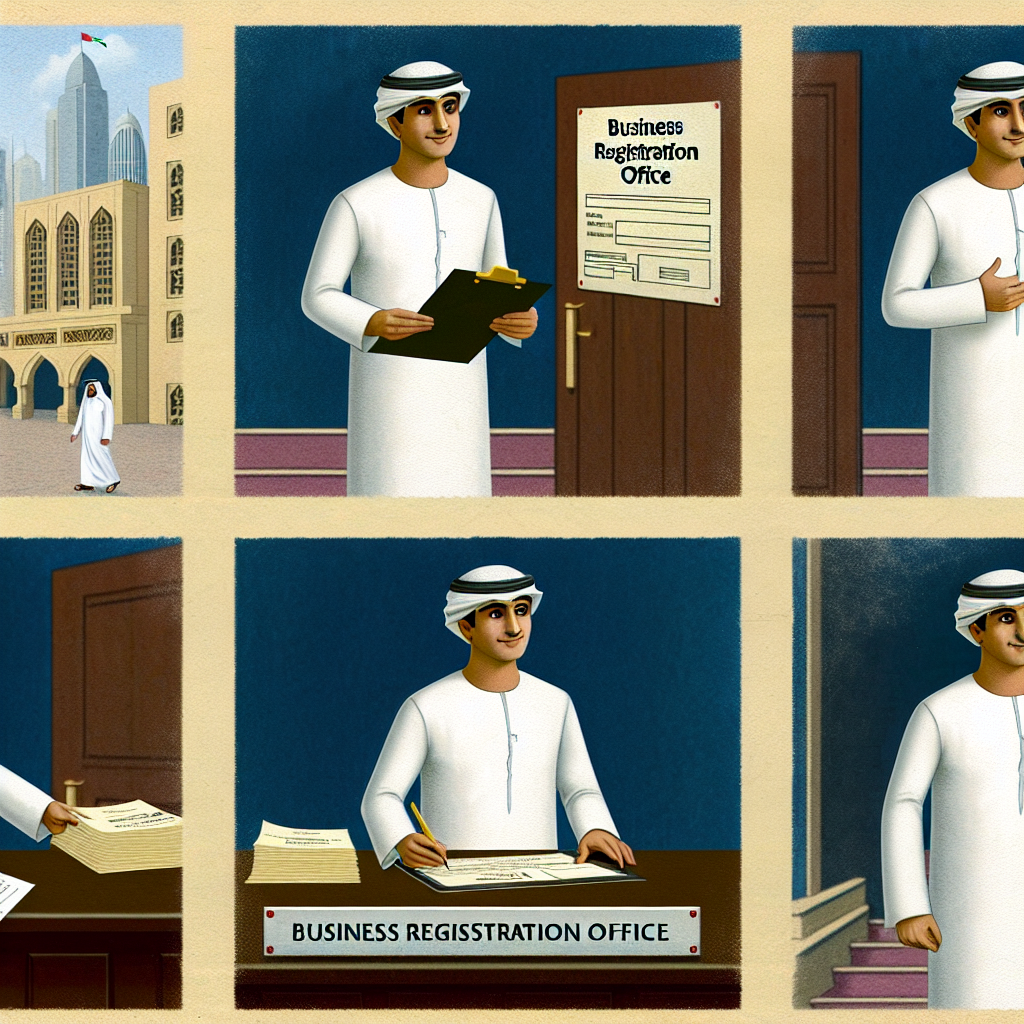
The United Arab Emirates (UAE) has emerged as a global business hub, attracting entrepreneurs and investors from around the world. With its strategic location, tax advantages, and a robust economy, the UAE offers a conducive environment for business growth. However, navigating the business registration process can be complex. This article provides a comprehensive, step-by-step guide on how to register a business in the UAE, along with real-world examples and essential data.
Understanding the Business Environment in the UAE
The UAE is composed of seven emirates, each with its own regulations and requirements for business registration. The most prominent emirates for business activities are Dubai and Abu Dhabi, which offer various free zones and mainland options. According to the World Bank’s Doing Business Report 2020, the UAE ranks 16th globally in ease of doing business, making it an attractive destination for entrepreneurs.
Types of Business Structures
Before diving into the registration process, it is crucial to understand the different types of business structures available in the UAE:
- Sole Proprietorship: Owned by a single individual, suitable for freelancers and small businesses.
- Limited Liability Company (LLC): Requires at least two and a maximum of 50 shareholders, offering limited liability protection.
- Free Zone Company: 100% foreign ownership, ideal for businesses focused on international trade.
- Branch Office: A branch of a foreign company, allowing for local operations while maintaining the parent company’s identity.
Step-by-Step Guide to Registering a Business in the UAE
Step 1: Determine Your Business Activity
The first step in registering a business in the UAE is to define your business activity. The UAE government categorizes business activities into various sectors, including commercial, industrial, and professional. Each category has specific licensing requirements. For instance, if you plan to open a restaurant, you must select the appropriate food and beverage category.
Step 2: Choose a Business Structure
As mentioned earlier, selecting the right business structure is crucial. For example, if you are a foreign investor looking to establish a business in Dubai, you might consider setting up in a free zone like Dubai Multi Commodities Centre (DMCC), which allows 100% foreign ownership and offers various incentives.
Step 3: Reserve a Trade Name
Once you have determined your business activity and structure, the next step is to reserve a trade name. The trade name must comply with the UAE’s naming conventions, which prohibit names that are offensive or similar to existing businesses. You can reserve your trade name through the Department of Economic Development (DED) in your respective emirate.
Step 4: Obtain Initial Approval
After reserving your trade name, you must obtain initial approval from the relevant authorities. This approval indicates that the government has no objection to your business activity. The process typically involves submitting your trade name reservation and a copy of your passport. For example, in Dubai, you can apply for initial approval through the DED’s online portal.
Step 5: Draft a Memorandum of Association (MoA)
If you are setting up an LLC or a partnership, you will need to draft a Memorandum of Association (MoA) that outlines the business’s structure, ownership, and operational guidelines. This document must be notarized by a public notary in the UAE. For instance, if you are forming a partnership with a local Emirati, the MoA will specify the profit-sharing ratio and responsibilities of each partner.
Step 6: Secure a Business License
After obtaining initial approval and drafting the MoA, you can apply for a business license. The type of license you need will depend on your business activity. The main types of licenses include:
- Commercial License: For trading activities.
- Professional License: For service-oriented businesses.
- Industrial License: For manufacturing activities.
The application for a business license can be submitted online through the DED or the relevant free zone authority.
Step 7: Register for Taxes
While the UAE is known for its tax-friendly environment, businesses must still register for Value Added Tax (VAT) if their taxable supplies exceed AED 375,000 annually. Registration can be done through the Federal Tax Authority (FTA) website.
Step 8: Open a Corporate Bank Account
Once your business is registered, you will need to open a corporate bank account. Most banks in the UAE require the following documents:
- Trade license
- MoA
- Passport copies of the owners and authorized signatories
Popular banks for corporate accounts include Emirates NBD and Abu Dhabi Commercial Bank (ADCB).
Step 9: Obtain Additional Approvals (if necessary)
Depending on your business activity, you may need additional approvals from relevant authorities. For example, if you are opening a restaurant, you will need health and safety approvals from the Dubai Health Authority (DHA).
Step 10: Finalize Office Space
Finally, you must secure a physical office space, which is a requirement for most business licenses in the UAE. You can choose to rent an office in a commercial building or opt for a flexi-desk in a co-working space, especially in free zones.
Real-World Examples
Many successful businesses have established themselves in the UAE. For instance, Careem, a ride-hailing service, was founded in Dubai and has expanded its operations across the Middle East. Similarly, Souq.com, an e-commerce platform, was acquired by Amazon and is now a leading online marketplace in the region.
Key Statistics
According to the Statista, the number of startups in the UAE reached approximately 1,000 in 2020, with a projected growth rate of 10% annually. This growth is fueled by government initiatives aimed at fostering entrepreneurship and innovation.
Conclusion
Registering a business in the UAE involves several steps, from determining your business activity to securing a physical office space. Understanding the local regulations and requirements is crucial for a successful setup. The UAE’s business-friendly environment, coupled with its strategic location, makes it an ideal destination for entrepreneurs looking to expand their ventures.
Frequently Asked Questions (FAQ)
1. What is the cost of registering a business in the UAE?
The cost of registering a business in the UAE varies depending on the type of business structure and the emirate. On average, the total cost can range from AED 10,000 to AED 30,000, including licensing fees, trade name reservation, and other administrative costs.
2. How long does it take to register a business in the UAE?
The business registration process in the UAE can take anywhere from a few days to several weeks, depending on the complexity of the business structure and the required approvals. Generally, free zone registrations are quicker compared to mainland registrations.
3. Do I need a local sponsor to start a business in the UAE?
For mainland businesses, a local sponsor (UAE national) is required to hold at least 51% of the shares. However, in free zones, 100% foreign ownership is permitted, eliminating the need for a local sponsor.
4. Can I register a business online in the UAE?
Yes, many emirates, including Dubai, offer online platforms for business registration. The Department of Economic Development (DED) provides an online portal for submitting applications and obtaining approvals.
5. What are the tax implications for businesses in the UAE?
The UAE has a favorable tax regime, with no corporate tax for most businesses. However, businesses with taxable supplies exceeding AED 375,000 must register for VAT at a rate of 5%. Additionally, certain sectors, such as oil and gas, may be subject to specific tax regulations.