
Navigating Open Business Opportunities in Dubai’s Free Zones
Introduction:
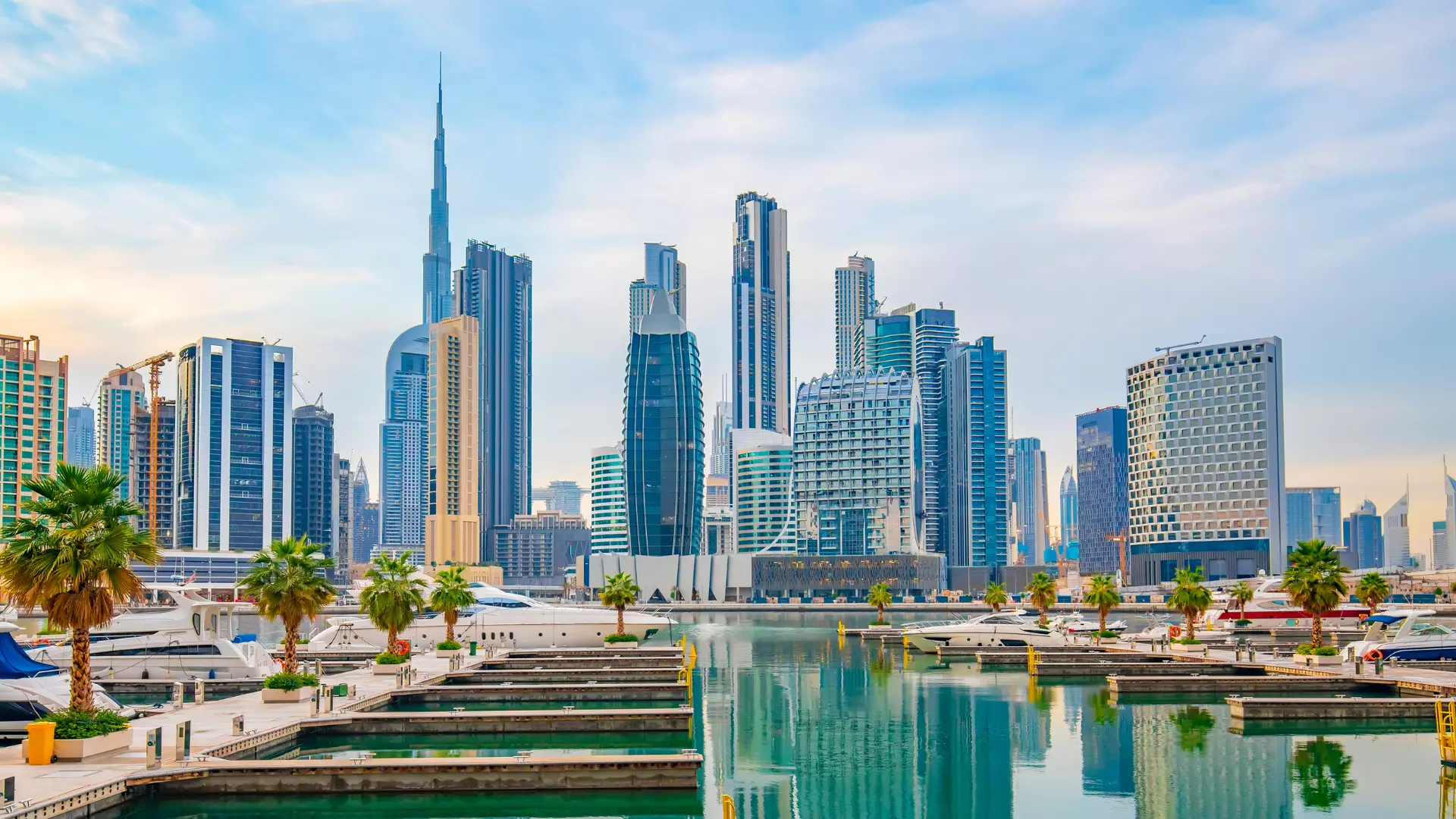
Dubai, a global business hub, continues to attract entrepreneurs and investors with its strategic location and favorable business environment. One of the most appealing aspects of doing business in Dubai is the existence of Free Zones—specialized economic areas designed to enhance trade and commerce by offering a wide array of incentives. These zones allow for 100% foreign ownership, tax exemptions, and simplified administrative procedures, making them ideal for startups and established companies alike. This article aims to provide a comprehensive exploration of the open business opportunities present in Dubai’s Free Zones, focusing on key sectors, regulatory frameworks, and networking potential.
Understanding the intricacies of Dubai’s Free Zones is paramount for business success. These zones are clearly defined areas where foreign investors benefit from a unique framework that facilitates easy business setup. With over 30 free zones catering to different industries, ranging from logistics and technology to media and finance, each zone offers specialized regulatory, legal, and logistical support tailored to its sector. The strategic positioning of these zones, coupled with world-class infrastructure, not only enhances operational efficiency but also stimulates economic growth.
Moreover, the Free Zones serve as a conduit for attracting foreign direct investment (FDI) into Dubai, promoting a business-friendly environment that encourages innovation and competition. With advantageous customs regulations and simplified export and import processes, companies operating within these Free Zones can seamlessly integrate into global supply chains. Entrepreneurs can leverage these benefits to create competitive business models that drive growth while minimizing operational costs.
Identifying Key Sectors in Dubai’s Free Zone Economy
The diverse range of sectors thriving in Dubai’s Free Zones is one of the main reasons investors are drawn to this region. Key sectors include technology, logistics, media, healthcare, and renewable energy. The Dubai Silicon Oasis, for instance, is a leading technology park that fosters innovation and development in the IT sector, attracting startups and established tech giants. Additionally, the Jebel Ali Free Zone has emerged as a significant logistics hub, providing direct access to one of the busiest ports in the world.
Moreover, the creative industries sector is gaining momentum, with the Dubai Media City providing a supportive environment for advertising, marketing, and media operations. Healthcare is another flourishing area, bolstered by the Dubai Healthcare City, which aims to create a healthcare ecosystem that attracts both local and international investments. Renewable energy, especially in the context of the Dubai Clean Energy Strategy 2050, positions the city as a pioneer in sustainable business practices, further solidifying its reputation as a diversified economic powerhouse.
Navigating Regulatory Frameworks for Business Setup
Business setup in Dubai’s Free Zones is governed by specific regulations that facilitate easy operations while ensuring compliance with local laws. Each Free Zone has its governing authority, which not only aims to promote business activities but also provides guidelines and support for new ventures. Entrepreneurs are required to submit a business plan and relevant documentation to secure their trade license. The authorities maintain a streamlined process which generally allows for business registration within a few days, depending on the required documentation.
Moreover, companies can benefit from minimal direct taxation policies and attractive visa options for employees, making it easier to assemble a skilled workforce. Compliance with Dubai’s international standards on practices is essential; therefore, businesses must ensure they adhere to regulations concerning company setup, operations, and reporting. Understanding these regulatory frameworks is crucial for mitigating risks and ensuring long-term business sustainability in Dubai’s dynamic market.
Leveraging Networking Opportunities within Free Zones
Networking is a vital aspect of building business relationships, especially in Dubai’s Free Zones. These zones host various events, seminars, and workshops that bring together industry professionals, entrepreneurs, and investors. By participating in such events, businesses can significantly enhance their visibility and establish crucial connections within their sector. Networking offers insights into industry trends, challenges, and potential partnership opportunities, ultimately leading to collaborative ventures that can benefit all parties involved.
Additionally, many Free Zones have established business councils and chambers of commerce dedicated to facilitating networking and information sharing among companies. These organizations play a pivotal role in helping businesses navigate the local market and provide them with essential resources. Besides formal opportunities, informal meetups and social events also serve as excellent platforms for fostering relationships that can lead to lucrative business deals and collaborations, thus creating a vibrant entrepreneurial ecosystem.
Conclusion:
In summary, the potential for business expansion in Dubai’s Free Zones is vast, characterized by a conducive regulatory environment, diverse market sectors, and ample networking opportunities. Entrepreneurs looking to tap into the Middle Eastern market will find that these specialized economic areas not only reduce barriers to entry but also provide the tools necessary for sustained business growth. Understanding the nuances of Dubai’s Free Zones is crucial for success and will undoubtedly pave the way for innovative business solutions in this thriving region.
FAQs
1. What are Dubai’s Free Zones?
Dubai’s Free Zones are designated areas that allow companies to operate with certain advantages, such as 100% foreign ownership, tax exemptions, and streamlined licensing processes. Each zone caters to specific industries, creating a conducive environment for business growth and development.
2. How many Free Zones are there in Dubai?
As of now, there are over 30 Free Zones in Dubai, each targeting different sectors such as technology, media, logistics, and finance. Each zone has its own regulations and benefits tailored to its respective industry, providing companies with specialized support.
3. What is the process for setting up a business in a Free Zone?
To set up a business in a Dubai Free Zone, entrepreneurs must submit a business plan, apply for a trade license, and comply with the zone-specific regulations. The process typically involves registration, obtaining necessary approvals, and fulfilling any local requirements, which can usually be completed in a few days.
4. Are there any restrictions on the type of business I can set up in a Free Zone?
Yes, each Free Zone in Dubai has restrictions on the types of businesses that can operate within them. These restrictions are often aligned with the specific industry focus of the zone. It’s crucial to research and choose a Free Zone that aligns with your business objectives and market needs.
5. How can networking enhance my business within Free Zones?
Networking opens various avenues for collaboration, insights, and potential partnerships. By attending events, seminars, and engaging with local business councils, entrepreneurs can create valuable connections that might lead to joint ventures, mentorship opportunities, and increased market visibility.