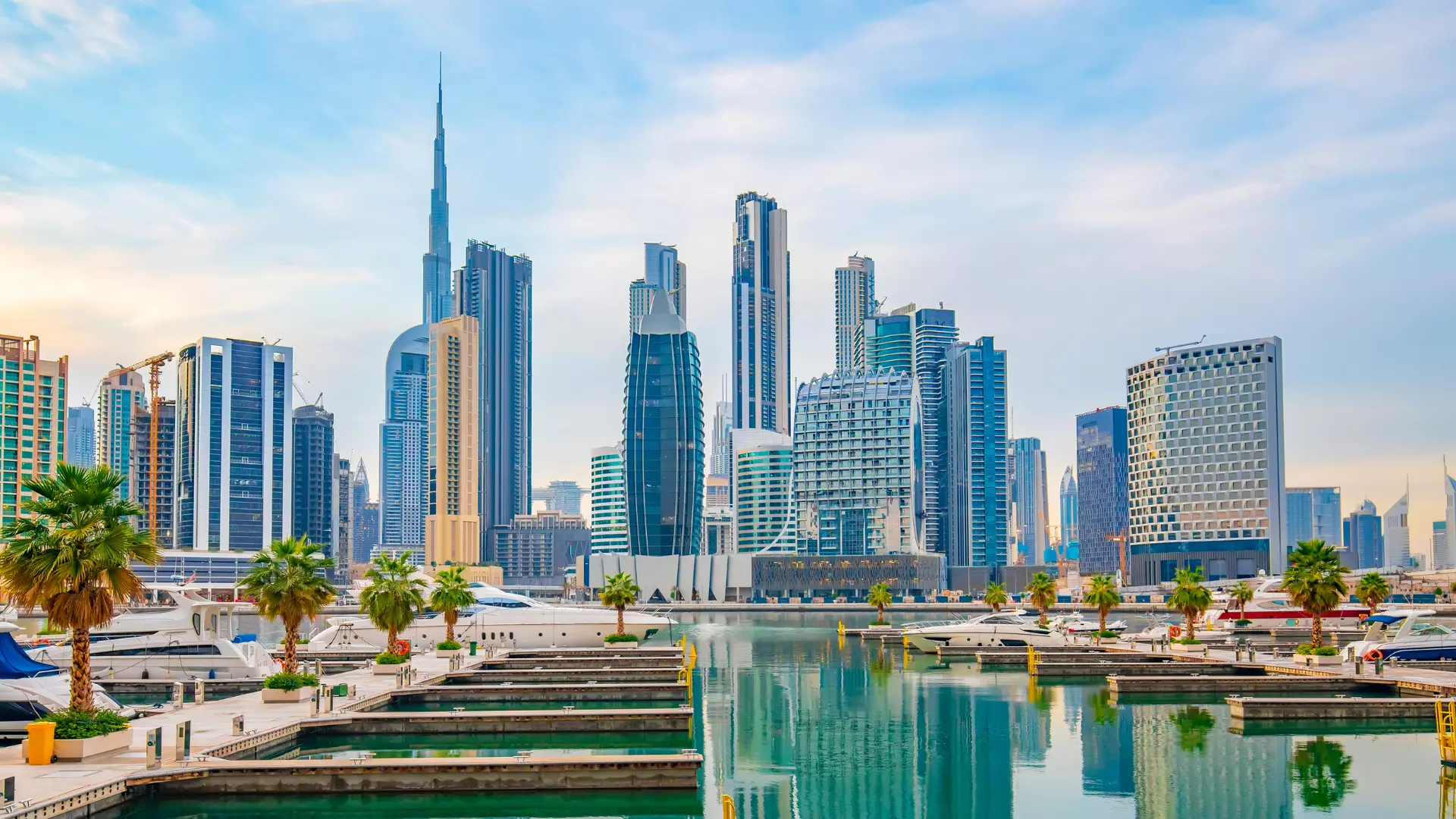

Strategic Insights for Opening a Branch Office in Dubai
Introduction:
Establishing a branch office in Dubai presents unprecedented opportunities for businesses looking to expand in the Middle East. As a global hub for commerce, finance, and tourism, Dubai’s unique blend of a diversified economy and strategic geographical location offers a fertile ground for growth. This article delves into essential strategic insights for organizations considering setting up a branch office in this vibrant city, covering market dynamics, regulatory frameworks, operational considerations, and talent acquisition strategies.
Evaluating Market Dynamics: Key Trends in Dubai’s Economy
Dubai’s economy is characterized by rapid growth and diversification, largely driven by sectors such as tourism, real estate, logistics, and technology. Over the past decade, the emirate has transitioned from an oil-dependent economy to a robust service-oriented and trading hub. Current trends indicate a significant influx of foreign investment, bolstered by government initiatives aimed at fostering business growth and innovation. Notably, the city’s ambitious Dubai Expo 2020 project has elevated international interest, making it crucial for businesses to tap into the burgeoning opportunities arising from increased footfall and global exposure.
Understanding consumer behavior is pivotal when entering the Dubai market. The rising affluence among Dubai’s residents has led to an increased demand for luxury products and services, while a growing expatriate population has diversified the market’s needs. Businesses must stay attuned to these shifts, recognizing the importance of cultural sensitivity and local preferences when designing their offerings. A thorough market analysis is essential to identify not only direct competitors but also complementary businesses that could foster collaborative opportunities within the community.
Regulatory Framework: Navigating Dubai’s Business Landscape
Opening a branch office in Dubai involves navigating a complex regulatory environment that includes multiple licensing requirements and compliance issues. The Dubai Department of Economic Development (DED) is the primary authority responsible for business licensing, and understanding the different categories of licenses is crucial. Depending on the nature of your business activities, you may need a commercial, professional, or industrial license. Additionally, obtaining approvals from other government entities might be necessary, particularly for sectors that require specific regulatory oversight.
Dubai’s free zones offer an appealing alternative for foreign companies, providing benefits such as 100% ownership, tax exemptions, and simplified procedures. However, businesses should weigh the advantages of free zone operations against the potential limitations, such as restrictions on conducting business outside the zone. A comprehensive understanding of the regulatory framework is vital for ensuring compliance and positioning your branch for success in this competitive environment.
Operational Considerations: Location and Infrastructure Insights
Selecting the right location for a branch office in Dubai is fundamental for operational success. Key business districts such as Dubai Media City, Dubai Internet City, and the Central Business District offer prime locations that cater to various industries. Factors to consider include proximity to key clients, access to transportation networks, and the availability of essential services. The strategic placement of your branch office can significantly impact visibility, customer engagement, and logistics efficiency.
Infrastructure in Dubai is highly developed, with state-of-the-art facilities and robust transport systems. The city boasts impressive road networks, public transportation options, and access to one of the world’s busiest airports. Additionally, initiatives like the Dubai 2040 Urban Master Plan aim to enhance urban living, making Dubai an attractive location for businesses and expatriates alike. By aligning your operational strategy with the city’s infrastructural developments, businesses can enhance their service delivery and operational efficiency.
Talent Acquisition: Building a Skilled Workforce in Dubai
Building a skilled workforce is a critical success factor for any branch office in Dubai. The city is home to a vibrant pool of talent, stemming from its diverse expatriate community, which comprises professionals from various industries and backgrounds. Companies must focus on creating competitive compensation packages and robust career development opportunities to attract and retain top talent. Additionally, understanding local labor laws is essential to ensure compliance with employment regulations and to foster a harmonious workplace environment.
Organizations should also consider the cultural nuances of working in Dubai, where values such as collaboration and respect across diverse perspectives are paramount. Investing in training programs and employee welfare initiatives can strengthen employee loyalty and enhance productivity. Collaborating with local educational institutions for internships and recruitment can further solidify your workforce strategy, ensuring that your branch office is staffed by skilled professionals equipped to thrive in Dubai’s dynamic market landscape.
Conclusion:
Establishing a branch office in Dubai is an exciting venture filled with potential for growth and innovation. By evaluating market trends, navigating the regulatory landscape, considering operational placements, and focusing on talent acquisition strategies, businesses can enhance their chances of success in this thriving market. The key lies in thorough research, strategic planning, and a keen understanding of Dubai’s unique business environment.
FAQs
1. What are the steps to open a branch office in Dubai?
To open a branch office in Dubai, businesses must complete several critical steps: research the market, select a business structure, register the company with the DED or relevant free zone authority, apply for a business license, and secure any necessary approvals from government agencies. Post-registration, firms must set up their office and hire employees, ensuring compliance with local labor laws.
2. What types of business licenses are available in Dubai?
Dubai offers various types of business licenses, primarily categorized into commercial, professional, and industrial licenses. Commercial licenses pertain to retail and trading activities, professional licenses cover services provided by professionals, and industrial licenses are for manufacturing activities. Additionally, free zones offer specific licensing options tailored to various sectors.
3. Are there tax benefits for foreign businesses in Dubai?
Yes, Dubai offers significant tax advantages for foreign businesses, primarily within its free zones, where companies enjoy 100% tax exemption on corporate income and profits for a specified duration. Furthermore, Dubai has no personal income tax, making it an attractive destination for expatriates and foreign business owners alike.
4. How competitive is the labor market in Dubai?
The labor market in Dubai is quite competitive due to the city’s status as a global business hub. However, companies can tap into a diverse talent pool, comprising experienced professionals from various sectors. To attract top talent, businesses must offer competitive salary packages, career advancement opportunities, and a culturally inclusive workplace.
5. What role does cultural awareness play in doing business in Dubai?
Cultural awareness is crucial for successfully doing business in Dubai. As a multicultural city, understanding and respecting local customs, traditions, and business etiquette is vital for building strong relationships with clients and partners. Failure to exhibit cultural sensitivity can hinder negotiations and impact business operations, making it essential for companies to incorporate cultural training for their employees.