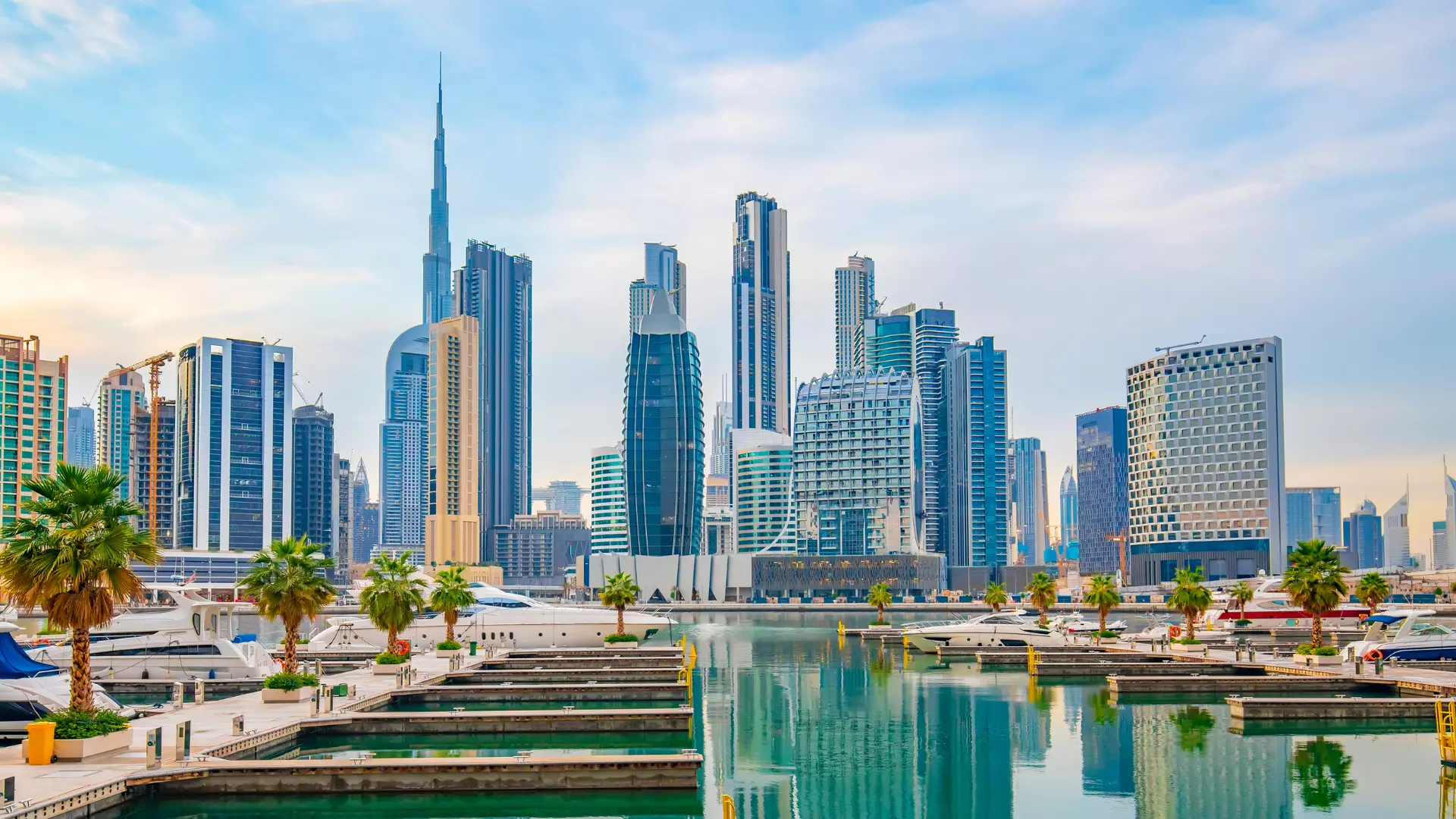

Establishing an Open Travel Agency in Dubai: A Comprehensive Guide
Introduction:
Establishing a travel agency in Dubai presents an incredible opportunity in one of the world’s most vibrant tourism markets. With its strategic location, modern infrastructure, and rich cultural tapestry, Dubai attracts millions of tourists each year. This comprehensive guide will explore the essential legal requirements, market research strategies, technology needs, and the importance of local partnerships necessary for establishing a successful travel agency in this dynamic emirate.
Legal Requirements for Starting a Travel Agency in Dubai
To start a travel agency in Dubai, entrepreneurs must navigate a series of legal requirements dictated by the Department of Economy and Tourism (DET). This includes the acquisition of a trade license specific to the travel industry. The license can be either a tourism license for traditional agencies or a new online travel agency license. Applicants typically need to provide documentation such as a business plan, proof of professional qualifications, and a rental agreement for office space.
Once the license is obtained, agencies must adhere to strict regulations regarding their operations. This involves registering with the relevant tourism authorities, ensuring compliance with health and safety standards, and obtaining the required permits to sell travel packages, accommodations, and tourism-related activities. Keeping abreast of changes in regulations will significantly contribute to a smooth operational setup and sustained compliance.
Key Market Research Strategies for Dubai Travel Ventures
Effective market research is essential for understanding the diverse clientele visiting Dubai. One popular strategy is utilizing SWOT analysis (Strengths, Weaknesses, Opportunities, Threats) to identify market trends and potential gaps within the travel sector. This involves assessing competitors, customer preferences, and emerging travel niches such as eco-tourism and luxury experiences. Moreover, leveraging online survey tools and social media platforms can provide real-time feedback from potential travelers.
Additionally, analyzing data from tourism reports and local government statistics can offer valuable insights into seasonal trends and demographic shifts. Establishing connections with local travel agencies or joining industry associations can further enhance understanding of niche markets and allow for shared research resources. By understanding these factors, travel agencies can tailor their offerings to better meet consumer demand and position themselves as leaders in the marketplace.
Essential Technology and Tools for Travel Agencies Today
In the modern travel landscape, technology plays a pivotal role in agency operations. A robust Customer Relationship Management (CRM) system is essential for managing customer relationships, tracking interactions, and personalizing services. Additionally, travel agencies should invest in booking software that integrates flight, accommodation, and activity bookings into a single platform, simplifying the customer experience and streamlining agency operations.
Agencies should also consider mobile app development or website optimization for a seamless online experience. Consumers increasingly seek the convenience of booking via mobile devices, making responsive design and easy navigation crucial. Incorporating digital marketing tools, such as email marketing and social media management applications, will also help agencies effectively reach prospective clients and build brand recognition in a competitive digital marketplace.
Building Partnerships with Local Tourism and Hospitality Firms
Forming strategic partnerships with local tourism and hospitality firms can be a game changer for travel agencies in Dubai. Collaboration with hotels, airlines, and tour operators can lead to mutually beneficial marketing initiatives, exclusive deals, and package offers. By establishing a network of trusted partners, travel agencies can enhance their service offerings and deliver unique experiences that attract customers.
Furthermore, networking within local business communities and attending trade shows can expand your agency’s reach and visibility. Building relationships with local guides, cultural institutions, and event organizers can also provide travelers with exclusive access to experiences that they might not find through larger, generic travel services. This localized approach not only enriches the client experience but also cements the agency’s reputation as a knowledgeable and resourceful service provider.
Conclusion:
Establishing a travel agency in Dubai involves a multifaceted approach, from navigating the legal landscape to leveraging technology and building key partnerships. By adhering to regulatory requirements, conducting thorough market research, utilizing innovative technologies, and collaborating with local businesses, aspiring travel agency owners can set themselves up for success in this flourishing tourism hub. As the market continues to evolve, adapting to changes and embracing new trends will ensure your agency remains competitive and profitable in the years to come.
FAQs
1. What licenses do I need to start a travel agency in Dubai?
To start a travel agency in Dubai, you need two primary licenses: a trade license and a tourism license. The trade license is issued by the Department of Economy and Tourism (DET), while the tourism license is specific to the travel industry. Depending on your business model (traditional or online), you may require a different type of tourism license as well. Always ensure all documents, including a business plan and proof of qualifications, are prepared for submission.
2. How much does it cost to start a travel agency in Dubai?
The initial costs of starting a travel agency in Dubai can vary significantly depending on various factors, including the type of agency, location, and necessary permits. Typically, costs may range between AED 10,000 to AED 50,000 to cover licensing, registration fees, office space, and initial marketing. It’s advisable to create a detailed budget and financial plan to understand the full scope of expenses involved in setting up your business.
3. Can I operate a travel agency from home in Dubai?
Yes, operating a travel agency from home is possible in Dubai, but it still requires obtaining the appropriate trade and tourism licenses. However, entrepreneurs should ensure compliance with local regulations, including space requirements and zoning laws that stipulate home-based businesses. A well-managed home office can be effective, especially when integrated with online platforms for bookings and customer engagement.
4. How important is market research before starting a travel agency?
Market research is critical for the success of any travel agency. It allows entrepreneurs to identify customer preferences, understand market trends, and uncover potential gaps in service offerings. Effective research not only helps tailor your services to meet demand but also informs marketing strategies and potential pricing models. Agencies that invest time and resources into researching will have a competitive edge in meeting client expectations.
5. What are the essential technology tools needed for a travel agency?
Today, essential technology tools for a travel agency include a Customer Relationship Management (CRM) system, a booking management platform, and a responsive website or mobile app. Implementing these tools enhances operational efficiency, offers personalized customer experiences, and enables agencies to streamline booking processes. Additional tools like digital marketing platforms, accounting software, and social media management will also aid in expanding reach and improving client engagement.