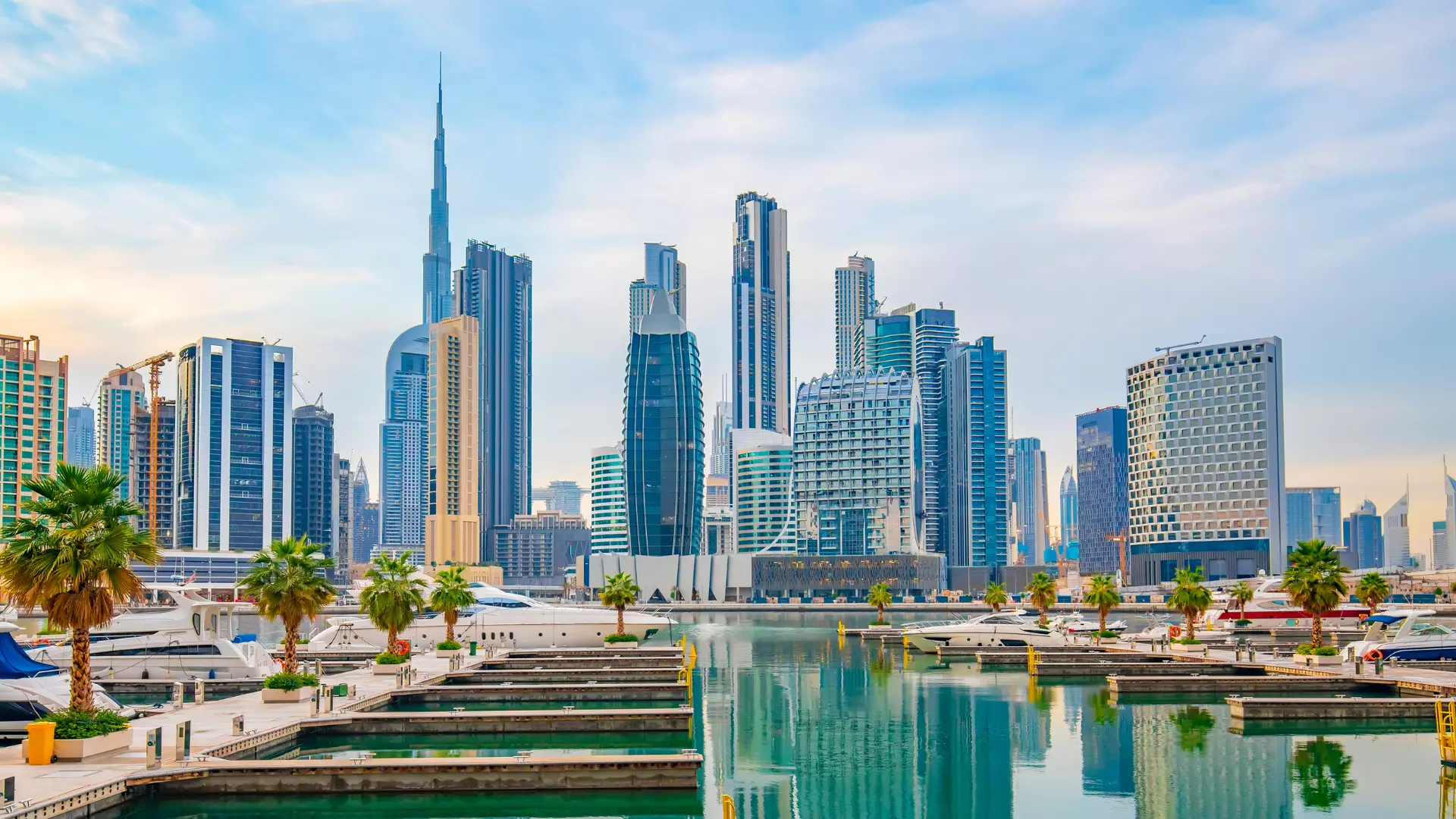


Navigate the Dubai Free Zone Landscape with Confidence and Ease
Dubai Free Zones represent one of the UAE’s most innovative business environments, offering entrepreneurs and companies exceptional benefits and opportunities. Designed to facilitate international trade and investment, these specialized economic areas provide distinct advantages that mainland setups cannot match.
With strategic locations, world-class infrastructure, and business-friendly regulations, Dubai Free Zones have become the preferred choice for thousands of companies worldwide looking to establish a foothold in the Middle East market.
Why Choose a Dubai Free Zone?
Dubai Free Zones offer compelling advantages for businesses:
- 100% Foreign Ownership: This is a major draw, allowing international investors to establish and fully own their companies in Dubai without needing a local partner or sponsor. This provides complete operational control and decision-making power, simplifying business management and protecting foreign investment.
- Tax Benefits: Dubai Free Zones offer a beautiful tax environment, generally featuring 0% corporate and personal income tax. This significantly reduces operational costs and maximizes profitability. Furthermore, exemptions from import and export duties enhance trade efficiency and competitiveness.
- Capital Repatriation: Businesses operating in Free Zones can repatriate 100% of their capital and profits without any currency restrictions. This financial flexibility is crucial for international companies, ensuring seamless fund transfers and investment management.
- Simplified Setup Process: The registration and licensing procedures in Dubai Free Zones are designed to be efficient and streamlined, minimizing bureaucratic hurdles. This allows businesses to establish their presence quickly and begin operations with ease, saving valuable time and resources.
- Industry-Specific Ecosystems: Dubai Free Zones are often specialized, creating industry-specific ecosystems that foster collaboration and growth. These zones cater to sectors like media, technology, healthcare, and logistics, providing tailored infrastructure and support services that enhance business operations.
Whether you’re a technology startup, trading company, or manufacturing enterprise, there’s a Free Zone tailored to your business needs.
Popular Dubai Free Zones by Industry
Dubai houses over 30 Free Zones, each designed for specific business activities:
Technology and Innovation:
- Dubai Internet City (DIC):
- A hub for global and regional IT companies, fostering a dynamic ecosystem for technology development and innovation.
- Provides state-of-the-art infrastructure, including advanced telecommunications and internet services.
- Attracts a diverse range of companies, from software development to e-commerce and digital media.
- Dubai Silicon Oasis (DSO):
- A technology park offering a mix of residential, commercial, and industrial space, ideal for tech startups and established companies.
- Focuses on microelectronics, semiconductors, and other advanced technology sectors.
- Provides a supportive environment for research and development, with access to specialized facilities and resources.
Trade and Commerce:
- Jebel Ali Free Zone (JAFZA):
- One of the world’s largest and most established free zones, strategically located near Jebel Ali Port.
- Offers extensive logistics and warehousing facilities, making it a prime location for trading and manufacturing businesses.
- Provides access to a vast network of shipping routes, connecting businesses to global markets.
- Dubai Multi Commodities Centre (DMCC):
- A global hub for commodities trading, offering a wide range of services and infrastructure for businesses in the sector.
- Specializes in gold, diamonds, and other precious metals, as well as energy and agricultural products.
- Provides a secure and transparent trading environment, with access to a network of international buyers and sellers.
Media and Creative Industries:
- Dubai Media City (DMC):
- A thriving hub for media companies, including broadcasting, publishing, advertising, and production.
- Provides a creative and collaborative environment, fostering innovation and growth in the media sector.
- Home to many international news networks.
- Dubai Design District (d3):
- A dedicated hub for design, fashion, and creative businesses, attracting leading designers and brands from around the world.
- Offers a vibrant and inspiring environment, with showrooms, studios, and event spaces.
- Focuses on promoting design innovation and collaboration.
Healthcare and Sciences:
- Dubai Healthcare City (DHCC):
- A world-class healthcare destination, offering a comprehensive range of medical services and facilities.
- Attracts leading healthcare providers, hospitals, and clinics from around the world.
- Provides a supportive environment for medical research and education.
- Dubai Science Park:
- A business community dedicated to the science sector, supporting entrepreneurs, SMEs, and multinationals in the life science, energy, environment, and industrial sectors.
- Provides specialized labs and facilities.
Finance and Professional Services:
- Dubai International Financial Centre (DIFC):
- A leading financial hub for the Middle East, Africa, and South Asia, with its own independent legal system.
- Offers a wide range of financial services, including banking, insurance, asset management, and capital markets.
- Provides a sophisticated and regulated environment for financial institutions.
- Dubai World Trade Centre (DWTC):
- Host to many large scale events, and also a location for many businesses.
- A location that allows for a wide range of business activities.
- A place that connects businesses to regional and international markets.
Step-by-Step Guide to Setting Up in a Dubai Free Zone
Establishing your business in a Dubai Free Zone involves these key steps:
1. Select the Right Free Zone:
- Detailed Research: Don’t just look at the industry focus. Delve into the specific regulations, allowed activities, infrastructure, accessibility, and the community within each zone.
- Cost Analysis: Compare setup costs, annual fees, office space rentals, and visa costs across different zones.
- Future Growth: Consider the zone’s expansion plans and how they align with your long-term business goals.
2. Choose Your Business Structure:
- FZE/FZC Considerations: Understand the implications of limited liability and the specific requirements for each structure.
- Branch Office Nuances: Be aware of the parent company’s liability and the specific documentation required for establishing a branch.
3. Apply for Pre-Approval:
- Business Plan Importance: A well-structured business plan is crucial. It should demonstrate the viability of your business and its alignment with the Free Zone’s objectives.
- Initial Application Accuracy: Ensure all information is accurate and complete to avoid delays.
4. Register Your Company Name:
- Trade Name Regulations: Familiarize yourself with the UAE’s strict naming conventions, including restrictions on offensive or misleading names.
- Trademark Search: Conduct a thorough trademark search to ensure your chosen name is available and does not infringe on existing trademarks.
5. Submit Required Documents:
- Document Authentication: Certain documents may require notarization and attestation, depending on your country of origin.
- Due Diligence: Free Zone authorities conduct thorough due diligence, so ensure all documents are accurate and verifiable.
6. Secure Your License:
- Activity-Specific Licenses: Be precise in defining your business activities to ensure you obtain the correct license.
- Regulatory Compliance: Understand the specific regulations and requirements associated with your chosen license.
7. Lease Office Space:
- Office Space Flexibility: Consider your current and future space requirements when choosing an office solution.
- Flexi-desk/Virtual Office Limitations: Understand the limitations of these options, such as restrictions on visa eligibility.
8. Obtain Residency Visas:
- Visa Quota: Be aware of the visa quota allocated to your company based on its size and activities.
- Visa Processing Time: Factor in the processing time for visa applications, which can vary.
- Emirates ID: Ensure you and your employees obtain Emirates IDs, which are essential for living and working in the UAE.
9. Open a Corporate Bank Account:
- Bank Selection: Research and compare the services and fees offered by different banks.
- KYC Compliance: Be prepared to provide detailed information about your company and its beneficial owners to comply with KYC regulations.
- Account Opening Timeframe: Account opening can take time, so plan accordingly.
- AML regulations: UAE banks are very strict regarding anti-money laundering regulations. Be prepared to provide documentation about the source of funds.
Key Documents Required for Free Zone Setup
To successfully establish your Free Zone company, prepare these essential documents:
- Passports and photos of all shareholders and directors.
- Detailed business plan outlining activities and projections.
- Completed application forms specific to your chosen Free Zone.
- Bank reference letters or statements demonstrating financial standing.
- Corporate documents (for company shareholders).
- Professional qualifications (for certain licensed activities).
Most Free Zones now accept digital document submission, streamlining the process significantly.
Cost Considerations for Free Zone Setup
Setting up in a Dubai Free Zone involves several cost components:
- Registration and License Fees
- Initial registration: AED 10,000-40,000 (varies by Free Zone).
- Annual license renewal: AED 15,000-30,000.
- Facility Costs
- Office space: AED 15,000-100,000+ annually (depending on size and location).
- Flexi-desk options: AED 10,000-25,000 annually.
- Virtual office: AED 8,000-20,000 annually.
- Visa Expenses
- Entrepreneur/investor visa: AED 4,000-6,000 per visa.
- Employee visas: AED 3,000-5,000 per visa.
- Additional Costs
- Corporate bank account setup: Typically free but may require minimum deposits.
- Insurance and other administrative fees: AED 2,000-5,000.
Future-Proofing Your Free Zone Business
As the UAE business landscape evolves, consider these factors for long-term success:
- VAT and Tax Planning
- Implement proper accounting systems from day one.
- Stay informed about changing tax regulations.
- Digital Transformation
- Embrace digital tools for operational efficiency.
- Leverage e-commerce platforms to reach global markets.
- Sustainability Focus
- Align with the UAE’s sustainability initiatives.
- Consider green certifications relevant to your industry.
- Strategic Partnerships
- Build relationships with complementary businesses.
- Explore joint ventures to expand market reach.
Why Choose 1Tapbiz?
- Simplified Process: 1tapbiz aims to demystify the often complex UAE business setup process. They offer clear, step-by-step guidance, reducing the administrative burden on entrepreneurs. This simplification saves valuable time and resources.
- Expert Guidance: Navigating UAE regulations can be challenging. 1tapbiz provides access to experienced consultants who possess in-depth knowledge of local laws and procedures. This expertise ensures compliance and minimizes the risk of costly errors.
- Tailored Solutions: Recognizing that every business is unique, 1tapbiz offers customized solutions tailored to specific needs. Whether it’s choosing the right business structure, securing licenses, or handling visa applications, they provide personalized support.
- Cost-Effectiveness: 1tapbiz aims to provide transparent and competitive pricing, helping entrepreneurs manage their startup costs effectively. By streamlining processes and leveraging their expertise, they help avoid unnecessary expenses.
- Comprehensive Services: From initial business registration to visa processing and ongoing support, 1tapbiz offers a wide range of services. This comprehensive approach eliminates the need to engage multiple service providers, simplifying the overall process.