

Making an Informed Decision for Your Business Venture
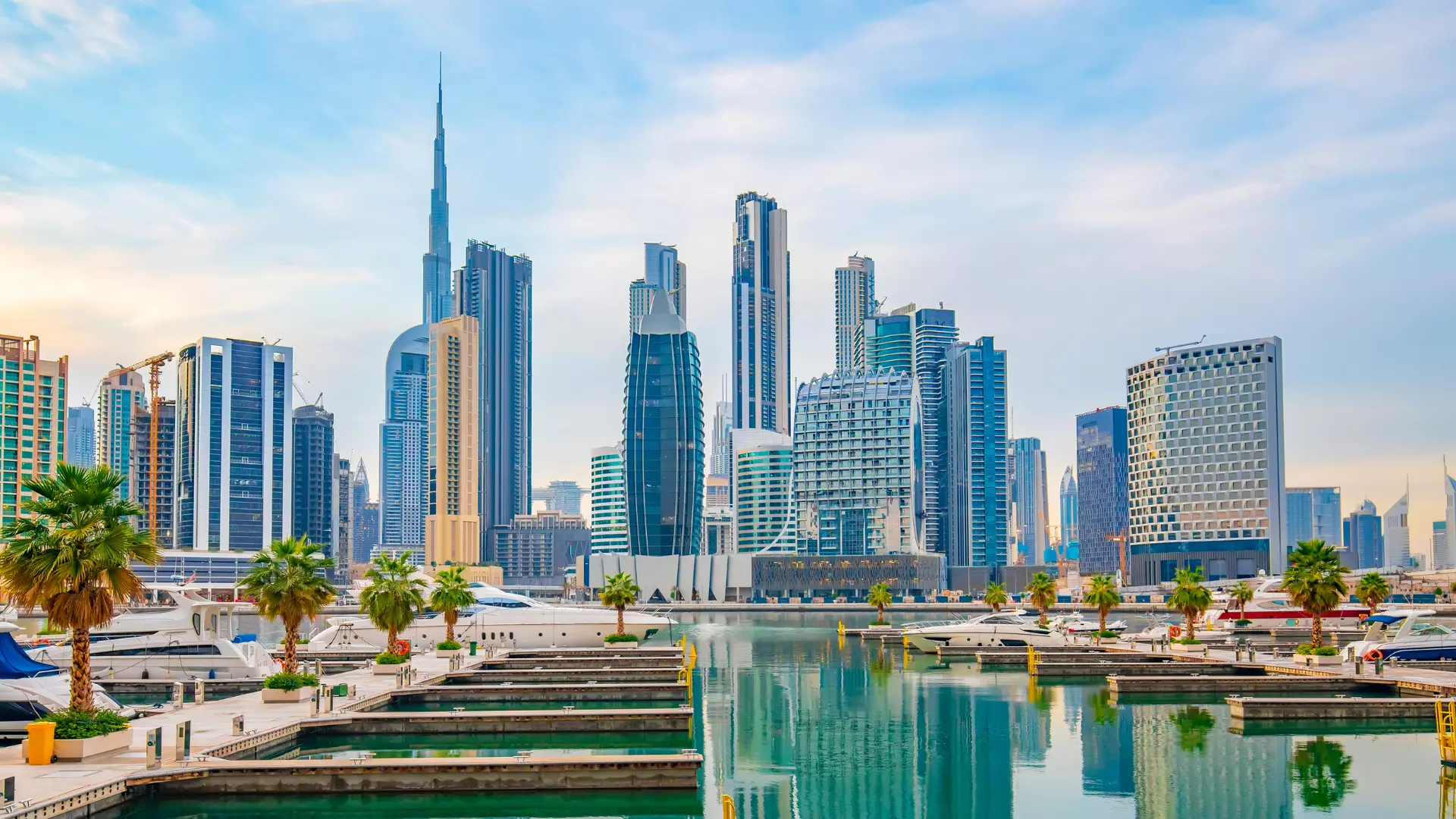
Dubai’s Free Zones have emerged as major draws for foreign companies looking to establish a presence in the Middle East. These specialized economic zones have distinct benefits that have attracted thousands of enterprises from all over the world. However, like with any business decision, establishing in a Dubai Free Zone has both considerable advantages and potential drawbacks.
This complete study will assist you in weighing the benefits and drawbacks of Free Zone business setup, allowing you to make an informed decision that aligns with your business objectives.
Pros of Starting a Business in Dubai’s Free Zone
- 100% Foreign Ownership: This fundamental advantage empowers international entrepreneurs with complete control over their ventures. Eliminating the need for a local partner streamlines decision-making, protects sensitive intellectual property, and ensures full autonomy in business operations, fostering a sense of ownership and security.
- Tax Advantages: Dubai’s Free Zones offer a highly competitive tax environment, significantly enhancing profitability. The absence of personal income tax maximizes individual earnings, while corporate tax exemptions (within set parameters) boost business revenue. The freedom to repatriate capital and profits without currency restrictions further enhances financial flexibility. Added to this are the import and export duty exemptions, which reduce costs and improve trade efficiency within the Free Zone.
- Streamlined Setup Process: Dubai has made setting up a business remarkably efficient. The simplified incorporation procedures, often facilitated by single-window clearance systems, minimize bureaucratic hurdles. This, combined with digitized documentation processes in modern Free Zones, translates to faster business launch timelines, allowing entrepreneurs to focus on growth rather than administrative delays.
- Strategic Location and Infrastructure: Dubai’s geographical positioning as a global crossroads is a major asset, providing easy access to key markets in Europe, Asia, and Africa. The city’s world-class infrastructure, encompassing modern facilities, excellent connectivity through airports and seaports, and state-of-the-art telecommunications, ensures seamless business operations and efficient logistics.
- Industry-Specific Ecosystems: Dubai’s Free Zones are thoughtfully designed to foster industry-specific communities. These specialized zones create networking opportunities with like-minded businesses, provide access to industry-specific resources and knowledge-sharing platforms, and offer targeted business support services relevant to each sector, promoting collaboration and growth.
- Visa Benefits: The ability to sponsor residency visas for yourself, family, and employees is a significant advantage, facilitating long-term establishment in Dubai. The relatively straightforward visa processing, combined with multiple entry visa options, simplifies the relocation process and accommodates diverse business needs.
- Business Support Services: Dubai’s Free Zones go beyond providing physical space; they offer comprehensive business support services. Dedicated support from Free Zone authorities, access to business development resources and mentorship, networking events, and incubation programs for startups create a nurturing environment for business growth and success.
Cons of Starting a Business in Dubai’s Free Zone
- Local Market Limitations: While Free Zones offer numerous advantages, they restrict direct trading with the UAE mainland market. Businesses must typically engage local service agents or distributors to access the domestic market, adding to operational costs and complexities. Alternatively, a separate mainland license is required for comprehensive UAE operations, leading to dual licensing arrangements and increased expenses.
- Activity Restrictions: Free Zones define specific permissible business activities, limiting operational flexibility. Businesses must precisely align with pre-defined activity lists, posing challenges for those seeking to conduct multiple unrelated ventures under a single license. Diversification may necessitate additional licenses, increasing administrative burdens and costs.
- Physical Presence Requirements: Most Free Zones mandate physical office space leasing, leading to higher operational costs compared to virtual setups in other jurisdictions. Minimum space requirements, tied to visa allocations, can further increase expenses. Location restrictions limit businesses to their designated Free Zone area, potentially hindering broader market access.
- Renewal Obligations: Annual license renewals, accompanied by associated costs, are a recurring obligation. Fee increases upon renewal are possible, adding to long-term expenses. Strict compliance requirements are crucial for successful renewals, and the process can be time-consuming, particularly in older Free Zones.
- Banking Challenges: Corporate bank account opening in Dubai has become increasingly stringent, with lengthy KYC procedures. Higher minimum balance requirements compared to some other jurisdictions may pose challenges for startups and smaller businesses. Certain nationalities or business types may face additional hurdles in securing banking services.
- Cost Considerations: Setup costs in Dubai Free Zones can be higher compared to competing business hubs. Ongoing operational expenses, including office rent and license fees, add to the financial burden. Mandatory expenses for physical facilities, even for digital businesses, further increase costs. Cost escalations in premium Free Zones or prime locations can significantly impact profitability.
- Competition Within Free Zones: Specialized Free Zones attract a high concentration of similar businesses, leading to intense competition. Market saturation in popular sectors is a potential risk, and price competition from well-established Free Zone companies can challenge newcomers. Talent acquisition in competitive environments can also be difficult.
Ideal Candidates for Dubai Free Zone Business
Free Zone setups tend to work particularly well for:
- International businesses are seeking a regional headquarters in the Middle East.
- E-commerce and digital businesses with global customer bases.
- Trading companies focused on import/export activities.
- Consultancy and service providers with international clientele.
- Technology startups are seeking specialized ecosystems and infrastructure.
- Manufacturing companies are benefiting from duty-free imports of raw materials.
Why Choose 1Tapbiz?
- Simplified Process: 1tapbiz aims to demystify the often complex UAE business setup process. They offer clear, step-by-step guidance, reducing the administrative burden on entrepreneurs. This simplification saves valuable time and resources.
- Expert Guidance: Navigating UAE regulations can be challenging. 1tapbiz provides access to experienced consultants who possess in-depth knowledge of local laws and procedures. This expertise ensures compliance and minimizes the risk of costly errors.
- Tailored Solutions: Recognizing that every business is unique, 1tapbiz offers customized solutions tailored to specific needs. Whether it’s choosing the right business structure, securing licenses, or handling visa applications, they provide personalized support.
- Cost-Effectiveness: 1tapbiz aims to provide transparent and competitive pricing, helping entrepreneurs manage their startup costs effectively. By streamlining processes and leveraging their expertise, they help avoid unnecessary expenses.
- Comprehensive Services: From initial business registration to visa processing and ongoing support, 1tapbiz offers a wide range of services. This comprehensive approach eliminates the need to engage multiple service providers, simplifying the overall process.