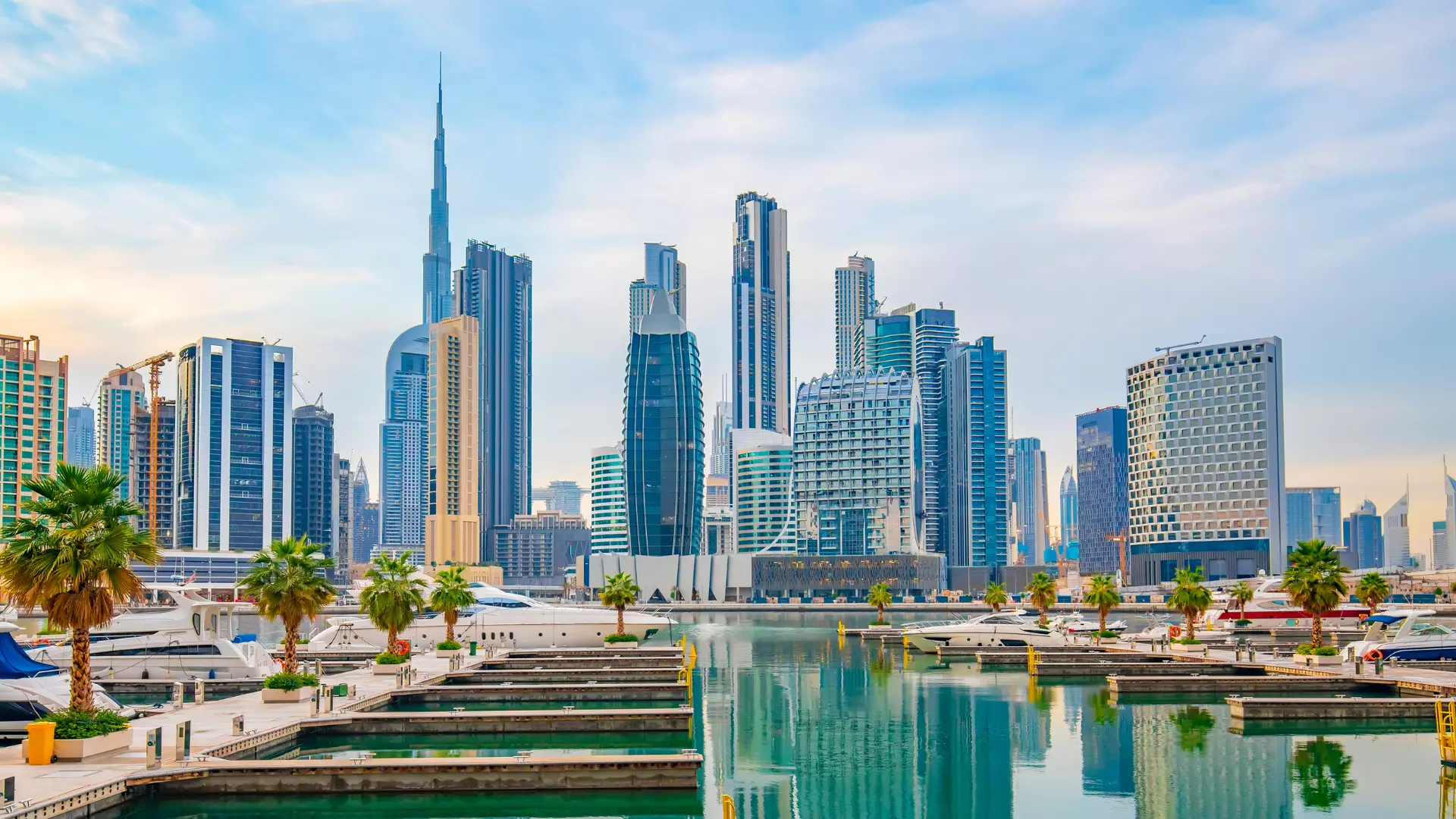

Strategic Insights on New Company Launches in Dubai
Introduction:
Dubai, a global hub for trade and commerce, offers a dynamic environment for new companies looking to establish their presence in the Middle East. The emirate’s strategic geographic location, diverse economy, and business-friendly policies make it an attractive destination for both local entrepreneurs and international investors. To successfully navigate the complexities of starting a business in Dubai, entrepreneurs must conduct thorough research on market trends, legal frameworks, marketing tactics, and sector-specific opportunities. This article explores these essential strategic insights for new company launches in Dubai.
Analyzing Market Trends for Successful Company Launches
Understanding market trends is crucial for any new venture. Entrepreneurs should begin by analyzing consumer behavior, preferences, and spending patterns. In Dubai, which is characterized by a diverse population and an expatriate community, companies can benefit from leveraging big data and analytics to identify emerging trends. This involves keeping tabs on sectors enjoying growth, such as e-commerce, tech startups, and sustainable products, all of which reflect global shifts toward digitalization and environmental consciousness.
Additionally, monitoring local and regional economic indicators can help entrepreneurs assess market stability. Reports from organizations like the Dubai Chamber of Commerce and various market research firms provide valuable insights into industry performance and consumer demand. A keen understanding of these trends will enable new companies to position their offerings compellingly and respond to changing market dynamics proactively.
Legal and Regulatory Framework Affecting New Ventures
The legal landscape in Dubai is conducive to business, but it is essential for entrepreneurs to familiarize themselves with the various regulations and requirements. The Dubai Business Licensing Authority outlines the types of business licenses available, which include commercial, professional, and industrial licenses. Before launching, businesses must ensure compliance with local laws, including obtaining the necessary permits, registering with the Department of Economic Development (DED), and meeting health and safety regulations.
In addition to local laws, international businesses must navigate the frameworks of Free Zones, which offer tax advantages and simplified administrative processes. However, these zones also come with specific rules regarding ownership and business activities. Understanding these regulations not only mitigates legal risks but also enhances operational efficiency, paving the way for a smooth launch and sustainable growth.
Effective Marketing Strategies for Dubai’s Business Landscape
When entering the Dubai market, companies need tailored marketing strategies to capture customer attention effectively. Digital marketing plays a central role, with social media platforms like Instagram and Facebook being particularly influential in the region. Creating high-quality content that resonates with diverse audiences can significantly enhance brand visibility and engagement. Additionally, leveraging influencer marketing can amplify reach and credibility within the local market.
Apart from digital strategies, local partnerships can also serve as a powerful marketing tool. Collaborating with established local businesses can provide access to established customer bases and enhance brand reputation. Participating in trade shows, exhibitions, and networking events further allows companies to showcase their products or services while building valuable relationships with potential customers or partners.
Identifying Key Sectors with High Growth Potential in Dubai
Dubai’s economy is evolving, with several sectors showcasing promising growth opportunities. The tourism and hospitality industry continues to thrive, bolstered by significant events such as Expo 2020, which are driving global interest. Opportunities abound for new companies in areas such as luxury accommodation, travel services, and entertainment.
Tech-driven industries also represent high growth potential, particularly in fields like fintech, e-commerce, and logistics. The government’s push towards innovation is creating an environment ripe for tech startups. Additionally, sustainability and renewable energy sectors are gaining traction as the emirate aims to reduce its carbon footprint. Entrepreneurs who can capitalize on these emerging sectors will benefit in a competitive landscape.
Conclusion:
Launching a new business in Dubai requires a multifaceted strategy that encompasses market analysis, legal compliance, effective marketing, and sector identification. By understanding the intricacies of the business environment, entrepreneurs can position themselves for success. Dubai’s vibrant economy, bolstered by its strategic location and progressive regulations, presents ample opportunities for innovative ventures. With careful planning and execution, new companies can thrive in one of the world’s most dynamic markets.
FAQs
1. What are the initial steps to start a business in Dubai?
To start a business in Dubai, you must first decide on a business activity and choose the legal structure of your enterprise. Next, secure a trade name for your business and apply for the necessary licenses from the Department of Economic Development (DED) or a Free Zone authority. It’s also essential to prepare documentation, which may include business plans and proof of identity. Finally, register your business with the DED or the relevant Free Zone authority and obtain any specific permits related to your operations.
2. Which business sectors are currently booming in Dubai?
Dubai hosts several booming sectors, including tourism, real estate, e-commerce, technology, and renewable energy. The government’s initiatives to diversify the economy and attract foreign investments have bolstered growth in these areas. Particularly, tech-driven startups in fintech and e-commerce are finding fertile ground, aligned with regional trends toward digital transformation.
3. How does the legal framework affect foreign investors in Dubai?
Foreign investors in Dubai must navigate specific regulations, including choosing between setting up onshore or in a Free Zone. Onshore setup allows businesses to operate freely across the UAE, while Free Zones offer perks such as 100% foreign ownership but often restrict businesses to operate solely within the zone. Understanding the legal framework and compliance requirements is vital to avoid potential pitfalls and ensure smooth operations.
4. What are effective marketing tactics for launching a new brand in Dubai?
Effective marketing tactics for launching a brand in Dubai include utilizing social media platforms, creating localized content, and collaborating with regional influencers. Participating in local events and networking opportunities can also yield significant benefits. Additionally, leveraging digital marketing tools like SEO and Google Ads can enhance online visibility and attract potential customers.
5. Are there any incentives for startups in Dubai?
Yes, Dubai offers various incentives for startups, particularly through its numerous Free Zones, which provide benefits like tax exemptions for a specific period, full foreign ownership, and simplified customs regulations. Additionally, government initiatives like the Dubai Future Accelerators program support tech-oriented startups with mentorship, funding opportunities, and exposure to potential investors.